
When BHP Group and Rio Tinto appoint long serving insiders as chief executives at the same time, it sends a clear signal about how both companies view the current commodity cycle.
This is not about reinvention. It is about execution. The decisions to elevate Brandon Craig at BHP and Simon Trott at Rio Tinto reflect a shared belief that the strategic direction is already set, and that the next phase of value creation will come from disciplined delivery rather than major portfolio shifts.
For investors, the message is straightforward. The commodity supercycle narrative remains intact, particularly for copper, and both companies are positioning themselves to extract maximum value from existing tier one assets.
Brandon Craig and BHP’s Copper Shift
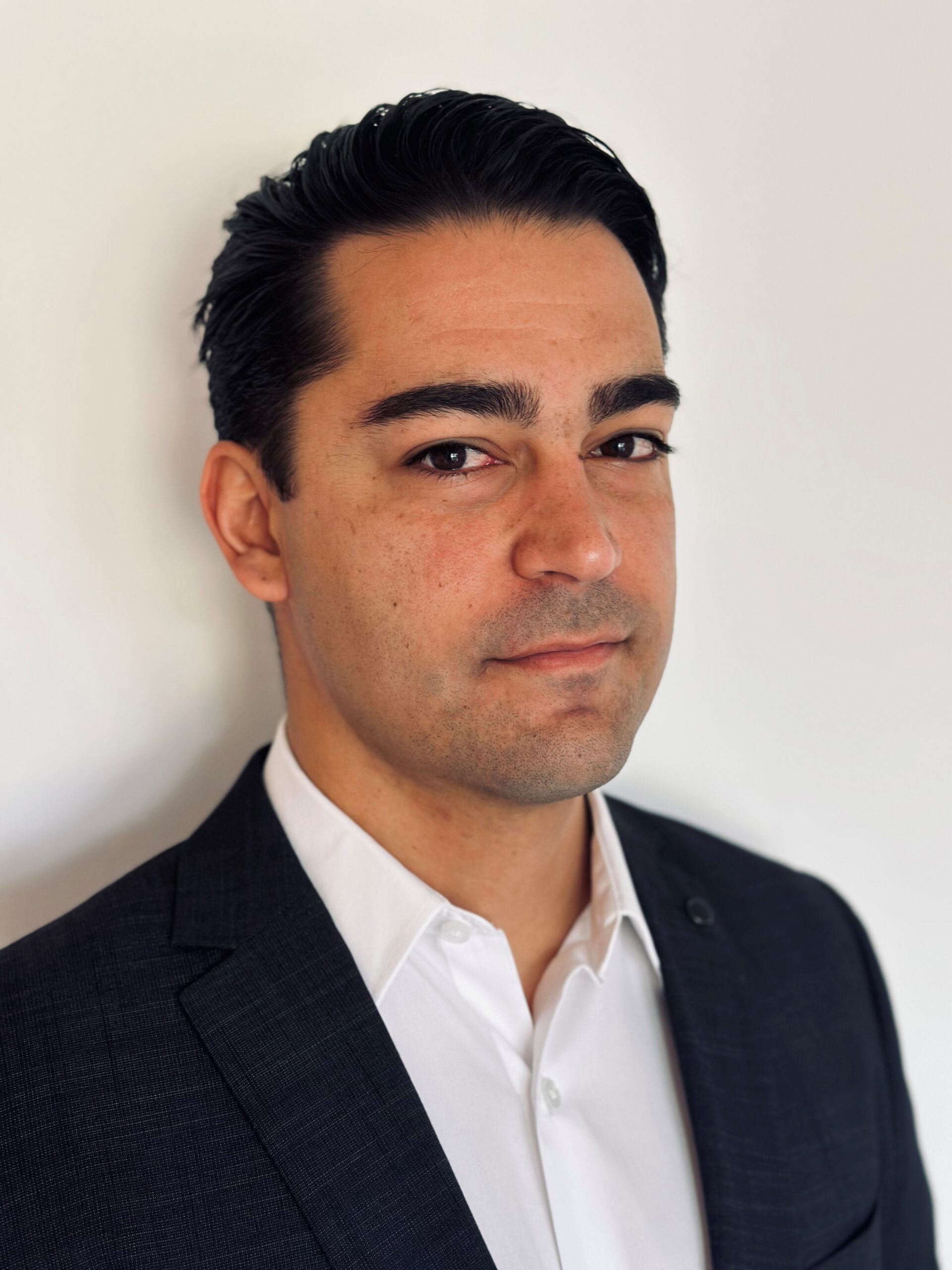
Brandon Craig brings more than two decades of experience within BHP Group, most recently leading the Americas division, which houses some of the company’s most important copper growth assets.
His track record is closely tied to the company’s core earnings base. From Western Australian iron ore operations to major copper assets such as Escondida, Craig has been directly involved in managing the assets that have underpinned BHP’s profitability over the past decade.
The strategic rationale behind his appointment is clear. BHP is increasingly positioning copper as a central pillar of its future portfolio, reflecting rising demand linked to electrification, renewable energy infrastructure and data centre expansion.
Projects such as Resolution Copper in the United States and Filo del Sol in South America represent key components of this growth pipeline. These are not speculative ventures. They are large scale, long life assets with the potential to deliver meaningful production growth over time.
Under Craig’s leadership, the focus is expected to remain on disciplined capital allocation. Investment will likely prioritise brownfield expansions and high quality projects, while non core assets may face further divestment.
Simon Trott and Rio’s Execution Focus
Simon Trott follows a similar path at Rio Tinto. Having spent more than 25 years within the organisation and most recently leading the iron ore division.
His tenure in the Pilbara has been defined by operational delivery. He oversaw record production levels while navigating a challenging period following the Juukan Gorge incident, where stakeholder engagement and governance became central to the company’s strategy.
Now, his mandate expands across the broader portfolio. Rio Tinto has already repositioned its asset base toward commodities aligned with the energy transition, including aluminium and copper, alongside its dominant iron ore operations.
The strategy is in place. Execution is now the priority. Key projects such as Oyu Tolgoi’s underground expansion, lithium developments and ongoing iron ore optimisation will define performance over the coming years.
Trott is also expected to maintain a strong focus on environmental and social performance. In today’s market, these factors are increasingly linked to long term profitability rather than simply reputational considerations.
A Sector Focused on Execution
The simultaneous appointment of insider CEOs at both companies reflects a broader shift within the mining industry. Strategy is no longer the primary differentiator. Execution is.
Large scale mining projects involve significant capital commitments, long development timelines and complex operational risks. In this environment, companies are prioritising leaders with deep operational experience and a proven ability to deliver consistent results.
Copper remains central to the investment thesis. Demand is expected to increase significantly over the coming decade, supported by trends such as electrification, renewable energy and infrastructure expansion.
However, supply growth is constrained. Developing new large scale projects is increasingly difficult due to regulatory, environmental and geopolitical challenges.
As a result, companies are focusing on expanding existing assets where possible. Iron ore continues to play a critical supporting role.
It generates the cash flow that funds investment in future facing commodities, allowing companies to maintain dividend payments while investing in growth.
What It Means for Investors
For investors, the leadership changes at BHP Group and Rio Tinto reduce strategic uncertainty. The direction of both companies is unlikely to change materially. Instead, the focus will be on delivering against existing plans.
This has several implications. Earnings visibility may improve as companies prioritise operational efficiency and project delivery. Dividend stability is likely to remain a key feature, supported by strong cash generation from iron ore operations.
At the same time, execution risk becomes more important. Delays or cost overruns in major projects can have a significant impact on valuations, particularly in a market that is already pricing in strong long term demand for key commodities.
Investors should therefore monitor progress across major development projects, as well as broader commodity market trends.
The Bottom Line
The appointment of insider CEOs at both BHP Group and Rio Tinto is not a signal of complacency. It is a reflection of confidence. Both companies believe their strategy is working. Now the focus shifts to execution.
In a sector where capital intensity is high and timelines are long, the ability to deliver consistently often matters more than pursuing new ideas. For investors, that makes operational performance the key variable to watch in the years ahead.