

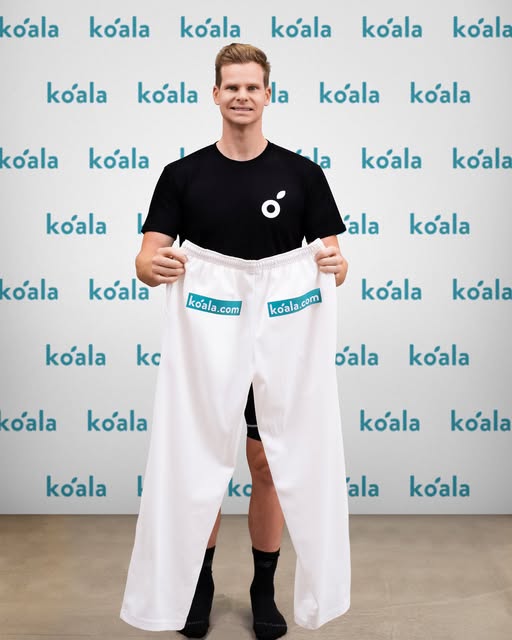
Koala IPO Overview and Strategic Context
Koala, the direct-to-consumer furniture company known for its boxed mattresses and sofas, listed on public markets in March 2026, marking one of the few notable Australian IPOs during a period of heightened global volatility. Founded in 2015 in Byron Bay by Dany Milham and Mitch Taylor, the company built its brand through strong digital marketing, a focused product range, and a capital-light online model. While it began with mattresses, Koala has since expanded into sofas, bedroom and living furniture, outdoor products, and homewares, evolving into a broader lifestyle brand. By the time of its listing, the company had established operations across Australia, Japan, the United States, and the United Kingdom, giving it an uncommon level of international scale among ASX-listed consumer startups.
Koala’s IPO stood out in part because it followed a postponed listing attempt in 2025, which was delayed due to uncertainty around proposed U.S. furniture tariffs and broader geopolitical risks. During the intervening period, management focused on diversifying the supply chain away from China and improving operational efficiency, enabling the company to return to market in early 2026 with stronger margins and profitability. At a time when many consumer IPOs remained on hold, Koala’s decision to proceed reflected confidence in its financial performance and in investor demand for profitable, digitally native retail businesses.
Offer Structure and Capital Raised
The Koala IPO raised $68.1 million at an offer price of $3.40 per share, combining newly issued shares with sell-downs from existing investors. Around $20 million of the proceeds went to the company as fresh capital, while $48.1 million came from shareholders reducing their holdings. As a result, new investors acquired roughly 20.6% of the business, with founders and early backers retaining significant stakes subject to escrow restrictions.
Strategically, Koala took a disciplined approach to deploying IPO proceeds. Around half of the new capital was directed toward reducing debt, with the remainder used to settle warrants, cover transaction expenses, and reinforce the balance sheet. Importantly, the company did not outline any major acquisition plans, instead positioning the listing as a step into its next growth phase with a focus on financial stability. This more measured approach stood in contrast to the aggressive, expansion-driven strategies seen in recent retail IPOs and was well received by institutional investors prioritising earnings visibility and capital discipline.
Valuation, Financial Metrics and Comparables
At listing, Koala debuted with an implied market capitalisation of around $305 million and an enterprise value of approximately $260 million. Based on forecast FY26 EBITDA of about $25 million, this equated to a valuation multiple of roughly 10.5x EV/EBITDA, placing Koala between established ASX peers such as Temple & Webster and Nick Scali, while still trading at a discount to higher-quality consumer brands with longer public track records.
Financially, Koala entered the ASX as a profitable, high-growth business—an uncommon profile among recent listings. The company reported FY25 revenue of $276 million, up 42% year-on-year, and EBITDA of $13.5 million, marking a 280% increase. Looking ahead to FY26, management projected revenue of around $332 million, EBITDA of $24–25 million, and margin expansion to roughly 7.5%, driven by stronger marketing efficiency and operating leverage. Gross margins were expected to exceed 60%, highlighting the strength of Koala’s vertically integrated, design-led business model.
Ownership, Market Reception and Investment Outlook
Following its listing, Koala’s share register remained dominated by long-term investors and founders. Perennial Partners became the largest shareholder with a stake of about 22.7%, while CEO Dany Milham retained roughly 20.7% and did not sell any shares in the IPO, often viewed as a sign of confidence in the company’s future. Co-founder Mitch Taylor reduced his holding but still retained a stake valued at over $50 million at listing. Other key investors included Alium Capital and early backer Steve Smith, whose initial $100,000 investment reportedly grew into a multi-million-dollar position at debut.
Koala made a strong market debut, with shares climbing to around $3.80–$3.90 intraday and briefly pushing its market capitalisation above $380 million. Analysts have since pointed to a mix of opportunities and risks. On the positive side, Koala provides exposure to a globally recognised consumer brand with demonstrated demand, profitability, and disciplined capital management. However, it also faces risks from cyclical consumer spending, competition from established players, and the execution challenges of expanding internationally amid uncertain macroeconomic conditions. Overall, the IPO is viewed as a relatively high-quality consumer listing, grounded in earnings rather than hype, and serves as an important signal for the reopening of Australian IPO markets in 2026.
Disclaimer
The Investor Standard provides general information for education and research only. It is NOT personal advice, a recommendation, or an offer to buy/sell any security. This content has been prepared without taking into account your objectives, financial situation or needs. Past performance is not indicative of future results. Before acting on any information, consider its appropriateness and seek independent advice from a licensed financial adviser.