
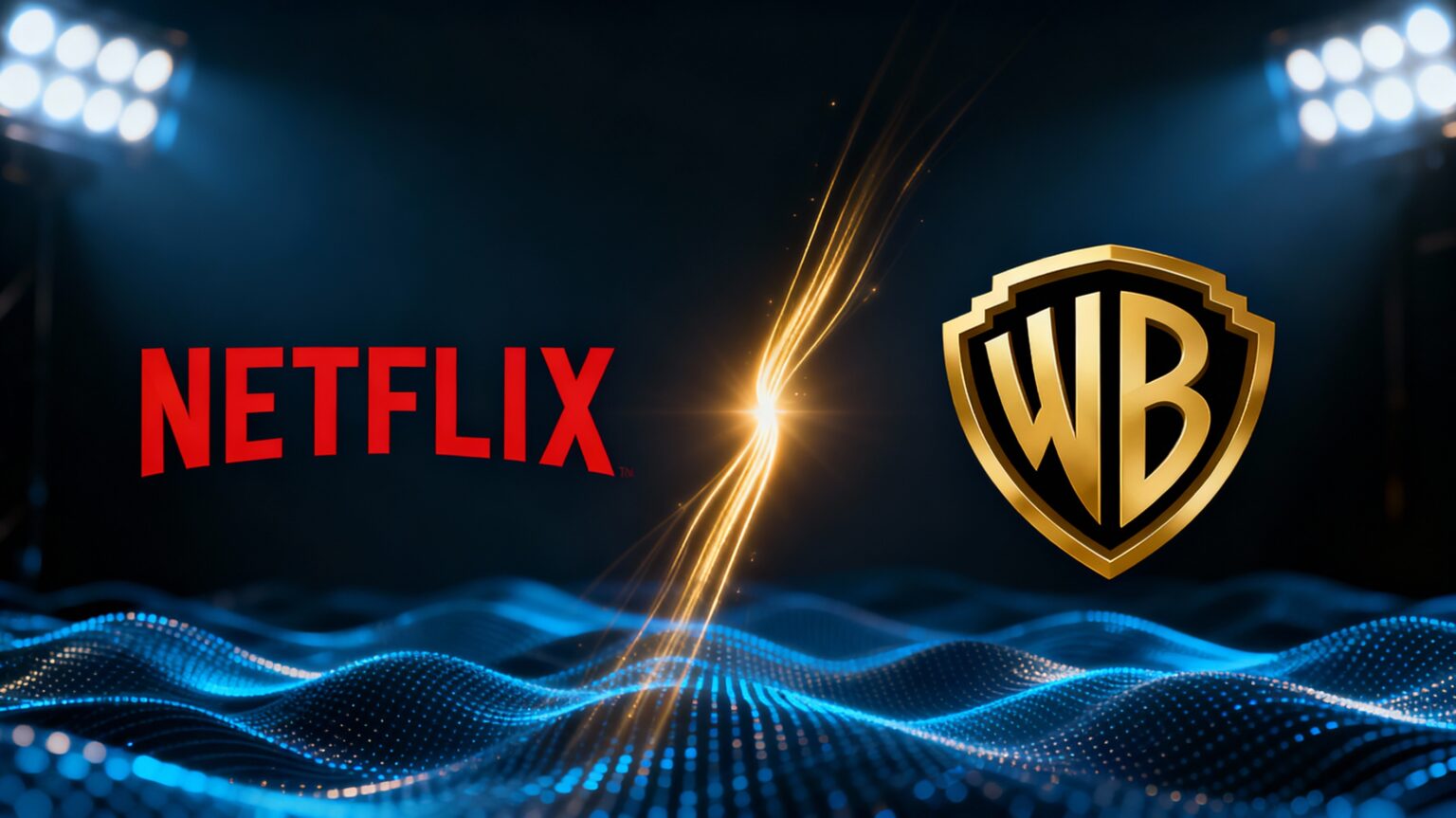
Netflix’s agreed acquisition of Warner Bros’ studios and streaming division marks the most important media deal since Disney absorbed Fox. It instantly transforms Netflix from a pure play streamer into a global entertainment conglomerate that owns premium IP, production infrastructure and a direct to consumer distribution engine. It also introduces real regulatory pressure and meaningful integration risk. For investors, the opportunity is enormous, but so is the execution challenge.
Deal Overview
Netflix will acquire Warner Bros Discovery’s film and TV studios along with HBO and HBO Max for approximately USD$72–83 billion in cash and stock. Including Warner’s debt, the enterprise value is estimated at USD$82–83 billion. The transaction has unanimous board approval and includes substantial reverse break fees, highlighting both the strategic significance and the regulatory risks ahead.
The deal is expected to close in 12 to 18 months, following Warner Bros Discovery’s spin off of CNN, TNT, Discovery and its other cable assets into a separate listed company. Netflix forecasts $2–3 billion in annual cost efficiencies by year three through consolidation of overlapping functions, technology and studio operations.
Why Netflix Wants To Own Warner Bros
This acquisition transforms Netflix into the entity it once disrupted. The company secures:
- A century of flagship IP including DC, Harry Potter, Game of Thrones, and extensive Warner archives
- HBO’s premium storytelling brand, a benchmark Netflix has long attempted to match
- Production infrastructure that strengthens Netflix’s control over creative development and distribution
By owning both the IP and the delivery platform, Netflix improves subscriber retention and pricing power. A combined Netflix plus HBO Max bundle offers a premium content ecosystem that is difficult for competitors to match and far stickier for global households.
Economics, Scale And Capital Intensity
Financially, Netflix is paying a premium, but management believes it can monetise Warner’s assets more efficiently than Warner Bros Discovery did. Expected $2–3 billion in cost synergies support margin expansion if revenue benefits follow.
Netflix has also committed to maintaining theatrical releases for Warner titles. This preserves box office revenue but increases exposure to cyclical performance and legacy Hollywood deal structures. Debt levels will rise post acquisition, increasing the focus on disciplined content spend and cash flow execution.
Regulatory And Cultural Risks
The regulatory hurdle is significant. The merger brings together a dominant global streamer with one of Hollywood’s major studios, raising clear antitrust concerns. Guilds, unions and political groups argue the deal could reduce competition for creative talent and potentially affect wages and diversity of content buyers.
Cultural integration is another genuine risk. Netflix operates with a tech-driven, data-centric mindset, whereas Warner Bros is rooted in traditional studio culture. Misalignment here has derailed past media mergers. Any regulatory conditions related to licensing, release windows or labour protections could also dilute financial benefits.

Investor View, Opportunity And Threats
For investors, this is a rare moment. Netflix secures a deep catalogue of IP and production capability that competitors like Disney, Amazon and Apple would struggle to replicate without massive acquisitions of their own. The downside is that Netflix becomes a more complex, capital-intensive media business with greater leverage and more execution risk.
Over the next one to two years, the central question will be whether the combined business can convert scale into growing free cash flow without triggering negative regulatory outcomes or losing creative momentum. If Netflix integrates HBO effectively and leverages Warner’s franchises across film, streaming and global licensing, the long term upside is significant.
Disclaimer
The Investor Standard provides general information for education and research only. It is NOT personal advice, a recommendation, or an offer to buy/sell any security. This content has been prepared without taking into account your objectives, financial situation or needs. Past performance is not indicative of future results. Before acting on any information, consider its appropriateness and seek independent advice from a licensed financial adviser.