
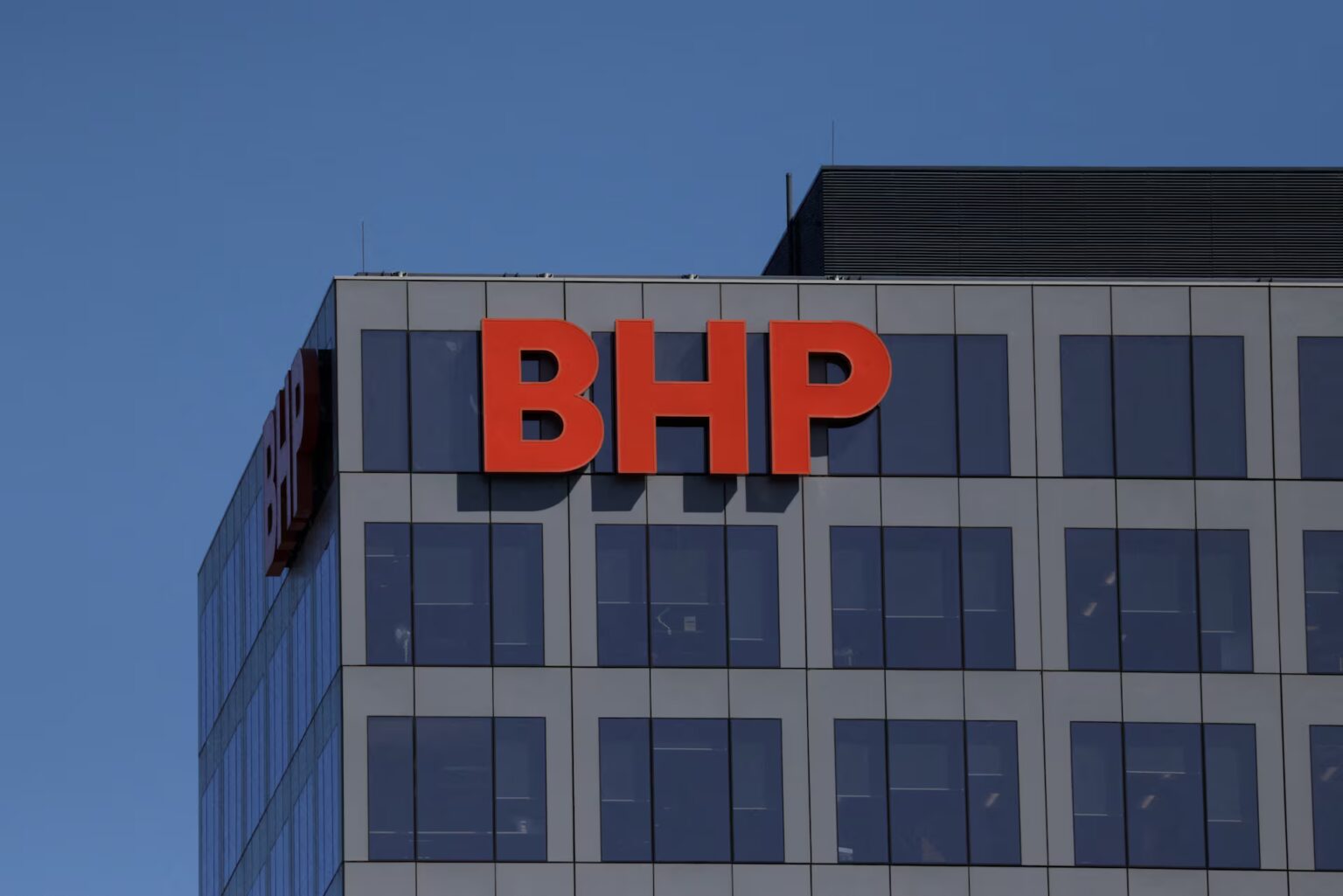
BHP’s latest quarterly update landed with an uncomfortable mix of short-term pain and long-term conviction. The world’s largest miner confirmed that iron ore revenues have been clipped by a pricing dispute with Chinese buyers, while also revealing another major cost blowout at its flagship Canadian potash project.
Individually, neither issue threatens the company’s balance sheet. Together, they underline a broader shift in how BHP is positioning itself, and the risks that come with it.
Iron Ore: pricing pressure, not volume risk
At the heart of the iron ore issue is China Mineral Resources Group (CMRG), a state-backed buying agency that now represents the bulk of China’s steelmakers. Over the past year, CMRG has been pushing miners for structural changes to iron ore pricing, including greater use of yuan-denominated contracts and alternative price benchmarks to Platts.
BHP Group confirmed for the first time that these negotiations are weighing on realised prices, even as shipment volumes remain on track. That matters: BHP sold almost 146 million tonnes in the December half and reiterated full-year guidance of up to 296 million tonnes.
Analysts are split on the significance. RBC’s Kaan Parker noted BHP appears to be accepting modest discounts relative to benchmark prices, while peers such as Rio Tinto and Fortescue have been less affected.
But the strategy looks deliberate. By absorbing short-term pricing pressure, BHP is attempting to defend the existing market structure rather than concede precedent-setting changes that could permanently weaken pricing power.
China’s leverage is real, but not unlimited. Steel mills have few viable substitutes for high grade Pilbara ore, and blast furnace economics constrain how far buyers can push without damaging themselves. In that sense, the dispute is more about influence than fundamentals.
Potash: strategic diversification at a rising cost
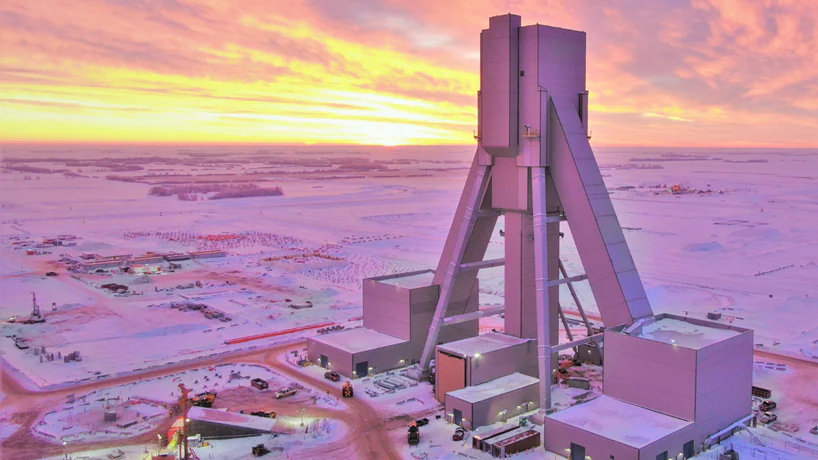
The more uncomfortable surprise came from Canada. BHP’s Jansen potash project will now cost US$8.4 billion, up nearly 50 per cent from its original approval in 2021, with first production pushed back to mid-2027.
Even before accounting for roughly US$3 billion of early works excluded from headline figures, the project’s expected return has slipped to between 7.9 per cent and 9.1 per cent, well below historical hurdle rates for major miners.
That’s a problem for optics, but not necessarily for strategy. Potash remains a long-life, demand-resilient commodity tied to global food security rather than construction cycles. BHP has designed Jansen to be expandable, accepting higher upfront costs in exchange for cheaper, higher-return growth later in the decade.
Still, repeated cost overruns, including at Chile’s Spence copper upgrade, chip away at BHP’s reputation for operational discipline.
Copper provides a counterbalance
There was one clear bright spot. Production guidance at Escondida, the world’s largest copper mine, was lifted, pushing full-year copper output to at least 1.9 million tonnes.
With copper prices at record levels and long-term deficits looming, this division is increasingly central to BHP’s valuation and its effort to reduce reliance on iron ore.
Read More

What It Means for Investors
This update reinforces a simple message: BHP is prioritising long-term strategic positioning over near-term optimisation.
That means:
- Accepting temporary iron ore price discounts to preserve market structure
- Tolerating lower returns on early-stage diversification projects
- Leaning harder into copper and future-facing commodities.
For long-term investors, that trade-off may be acceptable. For those expecting flawless execution and consistent capital efficiency, the margin for error is narrowing.
BHP still generates enormous cash flow, but its next phase will be judged less on scale and more on discipline.