
Inflation Has Re-Entered the Room and the RBA Is Running Out of Cover
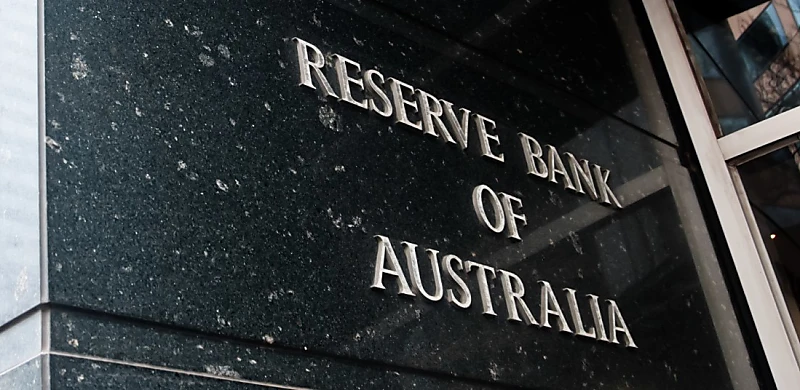
The Reserve Bank of Australia is rapidly losing the luxury of patience.
A sharper-than-expected jump in inflation has firmed market expectations that the central bank will lift interest rates as soon as next week, reversing last year’s easing cycle and forcing policymakers to confront an uncomfortable reality: inflation pressures are proving far more persistent than hoped.
Headline inflation accelerated to 3.8 per cent in the December quarter, up from 3.2 per cent in September. More concerning for the RBA, underlying inflation, its preferred gauge, rose to 3.4 per cent, above both market expectations and the bank’s own forecasts. This marks the first sustained pick-up in underlying inflation since 2022.
For a central bank that cut rates three times in 2025 and framed late-year inflation as “temporary”, the data leaves little room to stand still.
Markets Move Faster Than Central Banks
Financial markets wasted no time repricing. Money markets now assign a 72 per cent probability to a 25-basis-point rate rise at the RBA’s February meeting, up sharply from before the CPI release. The Australian dollar surged to US70.15¢, its strongest level in three years, reflecting both tighter rate expectations and renewed confidence in Australia’s yield appeal.
This reaction matters. Central banks can attempt to guide expectations, but once markets decide inflation risks are real, credibility is tested quickly.
The Composition Problem
Not all inflation is created equal and that’s where this print becomes awkward for policymakers.
Housing costs rose 5.5 per cent over the year, driven in large part by electricity prices, which jumped 21.5 per cent after the expiry of state government rebates in Queensland and Western Australia. Food and non-alcoholic beverages climbed 3.4 per cent, while domestic travel and accommodation surged almost 10 per cent, reflecting seasonal demand.
Some of these forces are clearly transitory. Energy rebates roll off once. Holiday demand fades. But inflation doesn’t need to be permanent to be dangerous, it only needs to linger long enough to reset behaviour.
The trimmed mean inflation rate, at 3.3 per cent, remains above the RBA’s target band and is now moving in the wrong direction. Importantly, this isn’t a single-quarter anomaly. It’s the second consecutive rise in underlying inflation.
That trend is what worries central bankers.
The “Insurance Hike” Dilemma
Economists are split not on whether the RBA will hike, but what that hike represents.
ANZ economist Adam Boyton now expects a February increase but frames it as a one-off “insurance” move, designed to reassert inflation control rather than trigger a full tightening cycle. In that scenario, higher rates would cool housing turnover, dent sentiment, and slow activity enough to contain price pressures without derailing growth.
That’s a plausible path but it’s also a narrow one.
The RBA itself has warned that trimmed mean inflation is likely to remain above target until mid-2026. With unemployment still low and services inflation sticky, the risk is not that one hike is too aggressive, but that one won’t be enough if inflation expectations begin to drift.
Read More
What This Means for Investors
The key takeaway is not simply that rates may rise next week. It’s that the policy regime has shifted.
The RBA is no longer confidently steering inflation back to target. It’s reacting to it. That distinction matters for asset prices.
• Bond volatility is likely to remain elevated
• Equity valuations face renewed pressure from higher discount rates
• The Australian dollar regains relevance as a yield-sensitive currency
• Defensive assets and pricing-power businesses regain appeal
In short, the “rates are coming down” narrative that dominated much of 2025 is no longer safe to lean on.
Next week’s decision may be framed as modest. But symbolically, it would mark something larger: the end of the easing experiment and the return of inflation as a central force in Australian markets.