


Silver has become a focal point for investors and industries alike, largely due to its broad and increasingly critical applications. Its versatility makes it essential across multiple sectors, each relying on the metal for different high‑value uses. The global shift toward green energy is a major driver: solar panel production alone consumes thousands of tons of silver each year. At the same time, the rapid expansion of the electric vehicle market is adding further pressure. Together, these forces have created a significant demand squeeze, pushing silver to the forefront of strategic commodity discussions.
With a demand squeeze in the market, why could silver potentially drop in value?
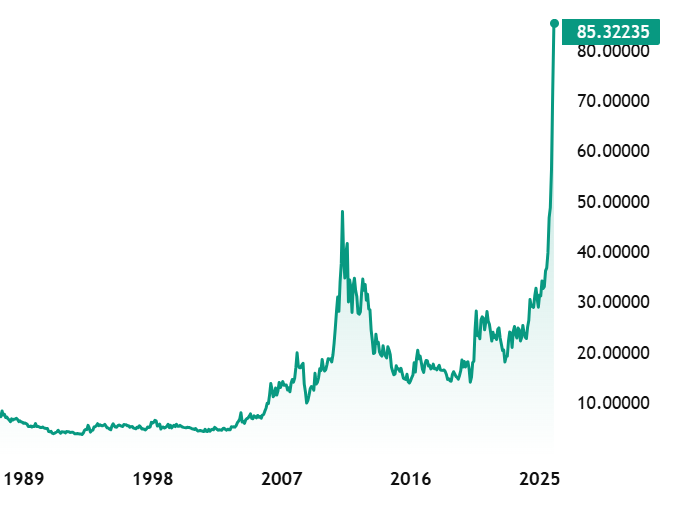
Owing to sharp surges in silver prices, the Chicago Mercantile Exchange raised the margin requirements on silver first on the 29th of December 2025 and then again on the 7th of January 2026. Volatility had a role to play here as well. This in essence creates a domino effect. Due to this action taken by the CME, traders would now require more capital per futures contract with regard to silver. Higher margin requirements mean less room for leverage, which would impact volume traded.
The players this impacts
The margin hike does not just impact retail investors and day traders who buy and sell futures contracts, but it impacts corporations that rely heavily on silver, which, to streamline their costs, tend to purchase derivative contracts to reduce exposure. Some of the industries it could impact are electronics manufacturers and automotive and EV companies, which are booming. Solar panel producers will be impacted as well. Finally, jewelry and mining companies will take a hit. Given that cumulatively trillions of dollars are on the line, they would be looking to hedge their exposure. But here is the conundrum. HEDGING JUST GOT EXPENSIVE.
Silver Prices over the past 35 years (USD)
What could we potentially expect to see?
Highly leveraged futures positions may struggle to meet the new margin requirements, increasing the likelihood of margin calls. If traders cannot post additional collateral, they are forced to liquidate their positions, which triggers a wave of sell orders. This cascade amplifies volatility and creates uncertainty for contract holders. In extreme cases, the cycle can feed back into the market and produce a broader price correction. It may seem counterintuitive given the ongoing demand squeeze, but the CME’s decision to raise margins twice within just ten days suggests that a temporary pullback in silver prices is possible over the coming quarters.
Disclaimer
This investment recommendation is prepared for informational and educational purposes only and does not constitute financial advice or a recommendation to buy or sell any security. Past performance is not indicative of future results. Investors should conduct their own due diligence or seek professional advice before making investment decisions.