
The Project: Zulti South at Richards Bay Minerals
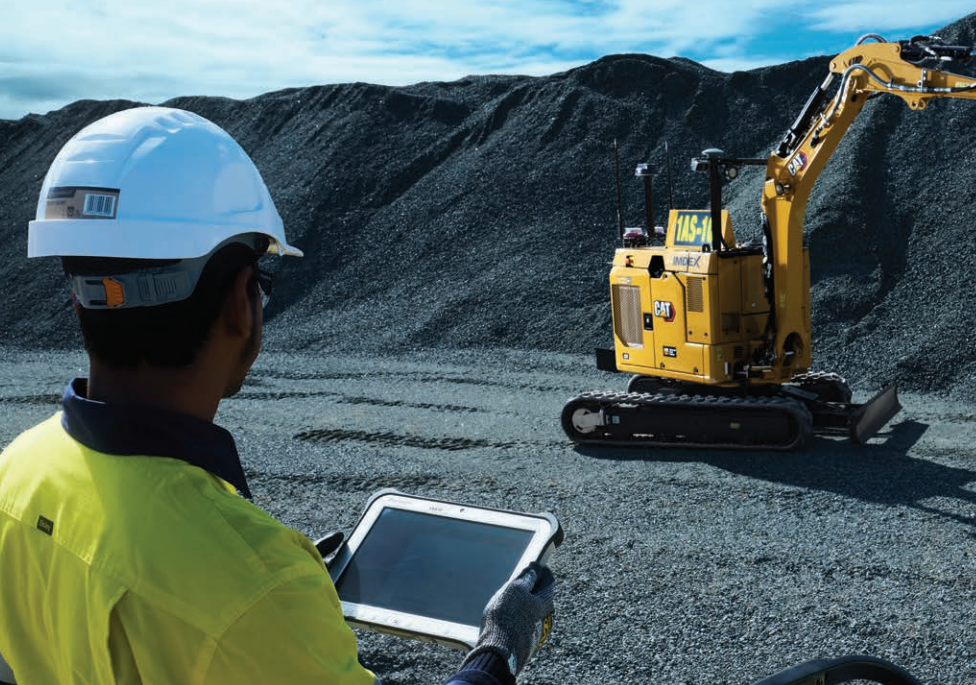
Multinational miner Rio Tinto has approved a R8.5 billion investment to restart operations at Richards Bay Minerals’ Zulti South project in South Africa. This funding brings an end to the six‑year suspension in place since January 2020 and will extend the mineral sands operation’s lifespan to 2050, ensuring production continues without a full shutdown. The Richards Bay Minerals complex is among the world’s most advanced integrated mineral sand operations, bringing extraction, separation, and smelting together within a single, coordinated logistics system. This level of vertical integration delivers major efficiency advantages that established producers can leverage, advantages that new greenfield entrants, lacking comparable infrastructure, struggle to match.
The stoppage and restart
Rio Tinto’s Richards Bay Minerals (RBM) operation in South Africa had been on a pause since January 2020, when a sharp deterioration in community relations and on-site security forced the company to halt its Zulti South mine development and suspend customer contracts. Six years later, conditions have improved sufficiently for Rio Tinto to act. In March 2026, the company approved approximately US$473 million to restart the project. This points to better security on the ground and rebuilt relationships with local communities and government.
The timing is driven by necessity as much as opportunity: ore at the existing Zulti North mine is running down, and Zulti South is the only credible path to keeping RBM operational through to around 2050, sustaining its output of zircon, rutile, and ilmenite, minerals used in everything from paint and ceramics to smartphones. Construction is set to begin in early 2026, with first production expected by late 2028, managed by China Harbour Engineering Company, the same contractor behind Rio Tinto’s major Simandou project in Guinea.
What this could mean for the company
In the near term, greenlighting Zulti South clears a risk that has hung over Rio Tinto for the better part of six years. The uncertainty around security and community stability at RBM. While no earnings contribution is immediate given a construction start in early 2026 and first production not expected until late 2028, the approval alone is likely to provide a sentiment lift by proving that the company can navigate tricky operational and stakeholder environments and move stalled projects back into execution.
Over the medium term, the project’s strategic value becomes more meaningful as Zulti North’s ore body depletes; Zulti South steps in to preserve RBM’s output of zircon, rutile, and ilmenite through approximately 2050. Which offers Rio Tinto a meaningful source of cash flow diversification beyond its iron ore-dominant earnings base. How much of that value is ultimately reflected in the share price will lie on titanium dioxide and zircon pricing dynamics and on whether CHEC delivers the project on time and within budget. The key risk is a reversal of any deterioration in community relations or cost and schedule slippage could quickly erode the goodwill this decision has generated. The restart is valuation-supportive, but investors should not expect it to move the earnings in the near term.