
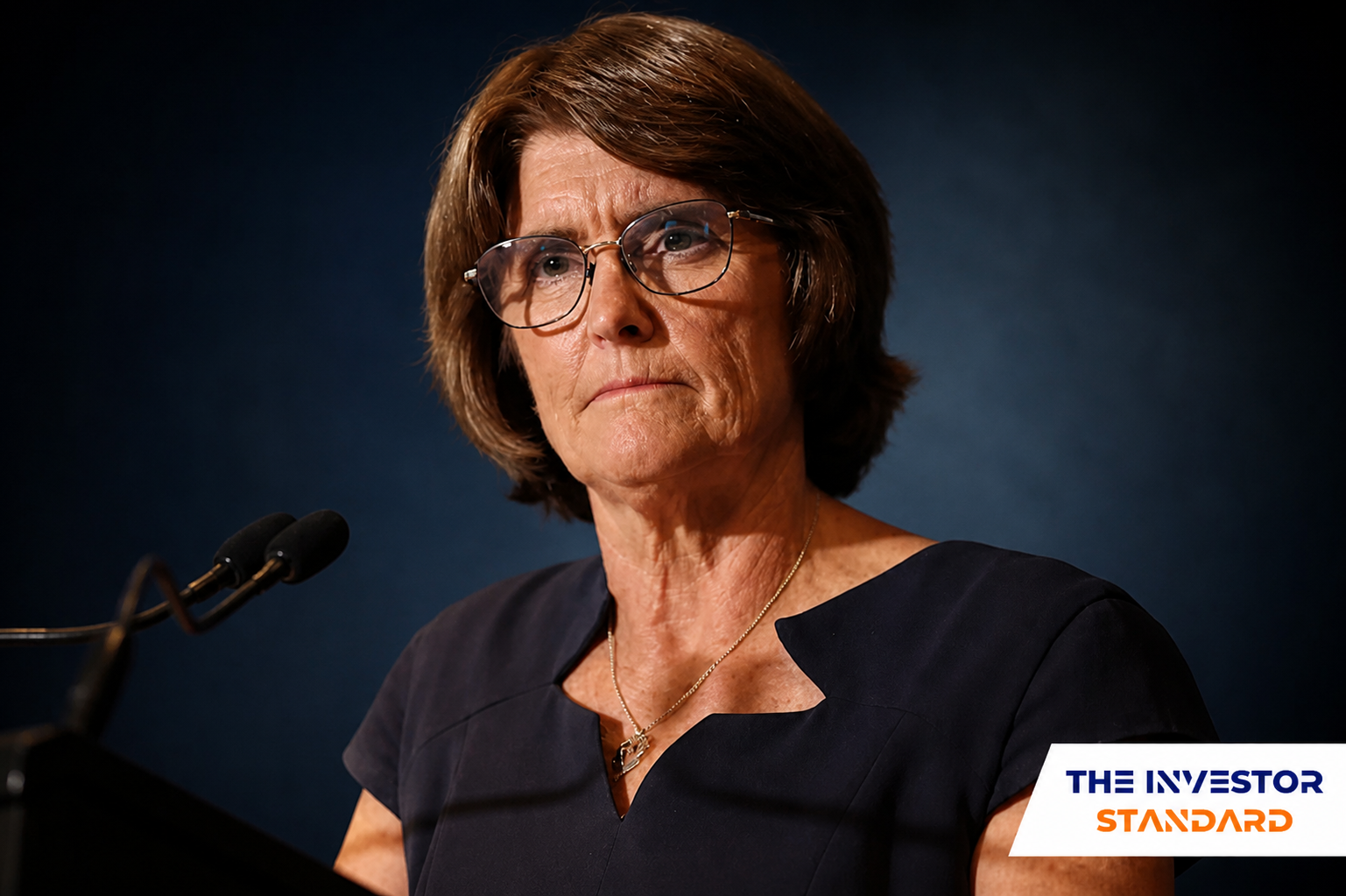
The RBA’s move to 4.35% is not a surprise. The tone is the story.
This was the third hike this year, and the statement reads more hawkish than a central bank simply responding to one bad inflation print. The board is clearly worried that higher oil and fuel costs are no longer staying contained inside petrol prices. Once the RBA starts talking about “second-round effects” on goods and services, it is telling the market that inflation persistence is now the bigger risk than near-term growth weakness.
The central bank is effectively saying the Iran war has turned from an external shock into a domestic inflation problem. Fuel prices were the trigger, but the concern now is business pricing behaviour. The line about firms “looking to increase prices” is important because it signals the RBA is watching pass-through, not just the oil price itself. That is where temporary shocks become sticky inflation.
What the market should take from this
First, the hurdle for cuts is now much higher than it looked a few months ago.
Second, this was not a reluctant hike. One dissent in a nine-member board is still a strong result for the hawks, especially with the statement framing scenarios where inflation is higher and activity is lower than the base case. That is close to an open acknowledgement of stagflation risk.
Third, the RBA is now prioritising credibility. It is prepared to tighten into a more fragile growth backdrop because it does not want inflation expectations drifting higher. That is why the statement matters more than the 25 basis points itself.
Asset market read-through
Banks: mixed. Higher rates support margins in theory, but the bigger issue is credit quality and slowing demand. This is not automatically bullish for bank equities.
Consumer discretionary and housing-sensitive names: negative. The pressure on household cash flow gets worse from here, especially with fuel already acting as an added tax.
Energy: supportive in the short run, because the RBA has effectively validated that oil is still the macro driver.
Long-duration growth and REITs: harder setup. A higher discount-rate environment with no clear easing path is not friendly.
AUD and front-end yields: the bias should stay firmer unless Bullock softens the message materially in the press conference.
Bottom line
This decision says the RBA no longer sees the oil shock as something it can look through casually.
The bank is moving early against the risk that fuel inflation spreads more broadly across the economy. That leaves markets in a tougher place: slower growth, tighter policy, and no easy relief narrative.
The key question now is not whether today was justified.
It is whether this is the last hike, or just the clearest warning yet that the RBA thinks inflation is getting embedded again.