
After one of the sharpest cross-asset sell-offs since April, global markets staged a relief rally overnight, not because of what President Trump announced, but because of what he didn’t.
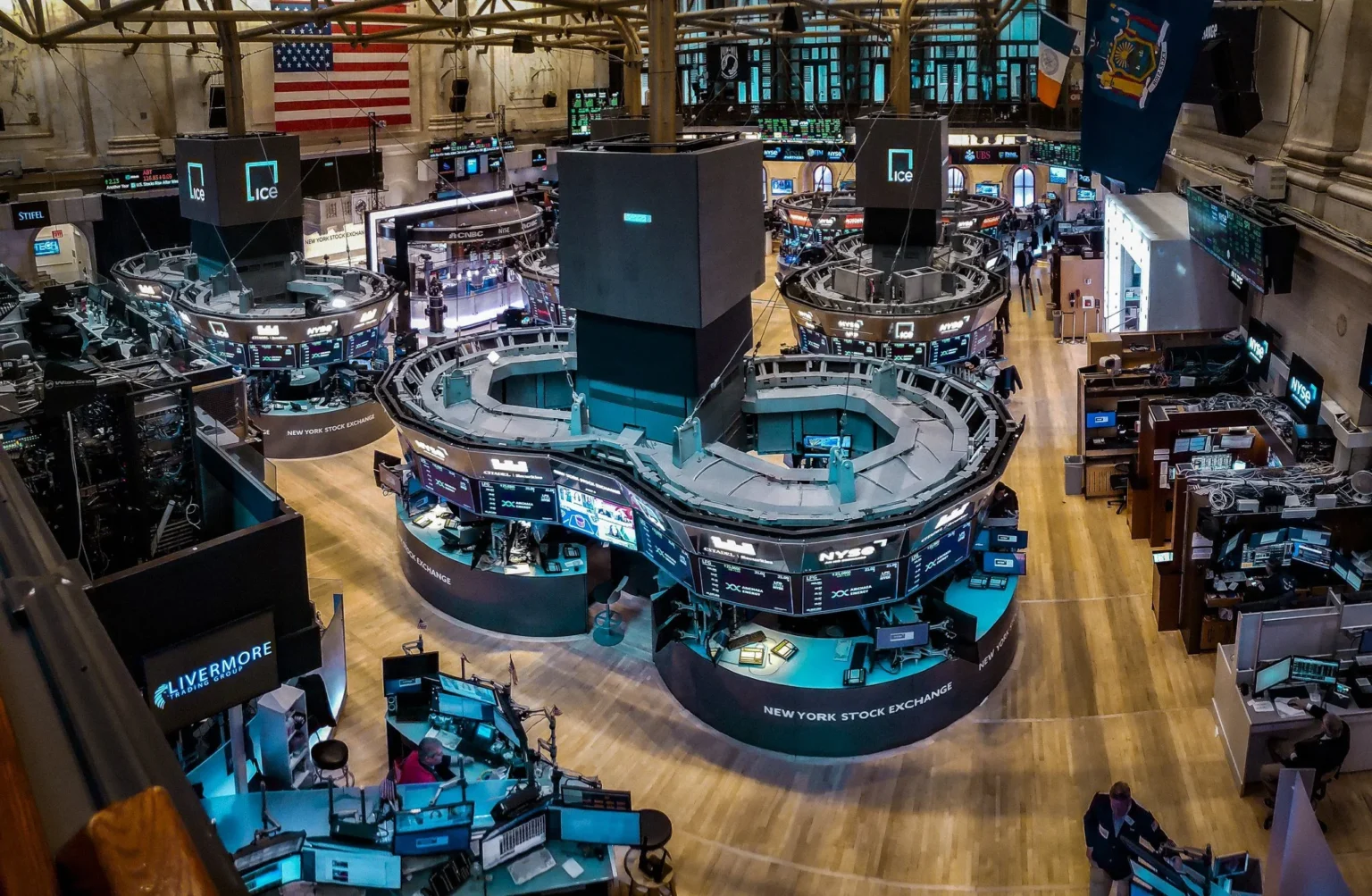
US equities rebounded strongly, bonds stabilised and currencies found their footing after Trump dialled back the most confrontational elements of his recent rhetoric over Greenland and Europe. The S&P 500 and Nasdaq both rose more than 1.5 per cent, reversing part of the prior session’s losses, while volatility measures retreated from recent highs.
It was a classic example of markets trading sentiment rather than fundamentals.
When Markets Trade Silence, Not Substance
The sharp sell-off earlier in the week was driven by fears that Trump’s escalating threats, including tariffs on European goods and hints of coercive action over Greenland, could reignite a full-blown transatlantic trade war.
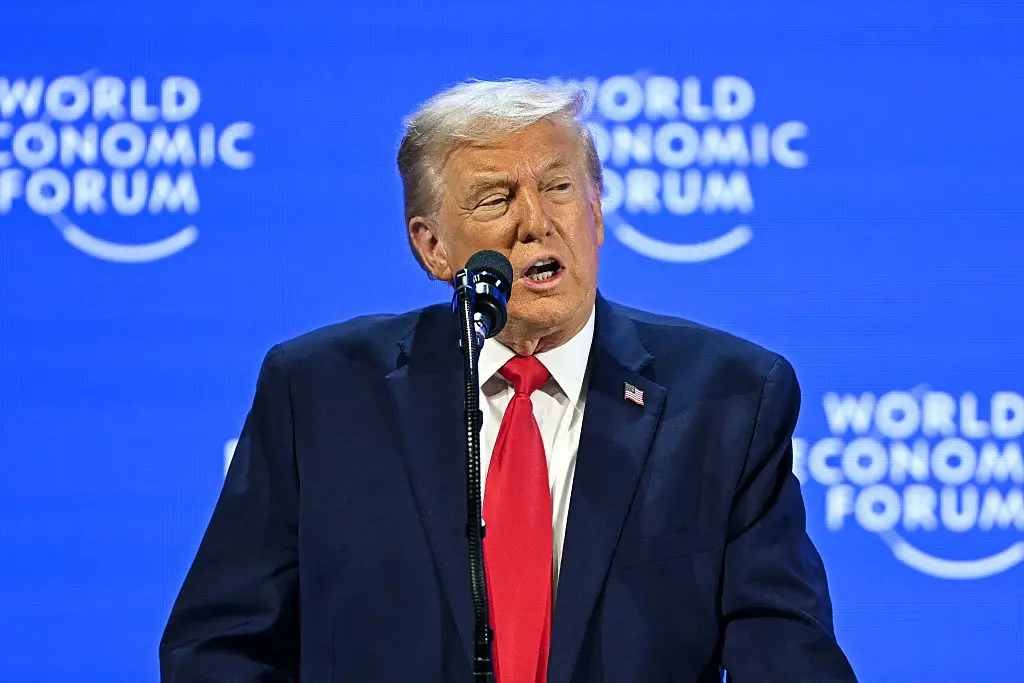
Instead, Trump’s appearance at the World Economic Forum struck a more measured tone. He ruled out the use of force, avoided repeating tariff threats, and signalled a willingness to negotiate. For markets on edge, that was enough.
As one strategist put it, the risk dial was turned down even if the style remained mistakably Trump.
More than 350 stocks in the S&P 500 advanced by midday, and small-cap stocks continued to outperform for a thirteenth straight session, a sign investors were cautiously rotating back into risk rather than retreating outright.
An Unusual Market Reaction Raise Eyebrows
What stood out was not just the rebound in equities, but the way other asset classes behaved.
Normally, geopolitical stress pushes investors into bonds and the US dollar. This time, both were sold. US Treasury yields climbed, with the 10-year touching 4.3 per cent, while the dollar fell sharply against major currencies.
That combination points to a deeper concern: confidence in US assets themselves.
Talk of “dedollarisation” (the gradual shift away from US dollar assets) resurfaced after reports that a major Danish pension fund plans to sell US Treasuries. While sums involved are small in global terms, the symbolism matters. Capital flows are becoming a part of the geopolitical toolkit.
Australia Feels the Knock-on Effects
For Australian investors, the fallout has been mixed but not unwelcome.
The weaker US dollar lifted the Australian dollar back toward US$0.68, supported by resilient commodity prices. Iron ore remains above US$100 per tonne, copper is near record highs, and precious metals have surged as investors hedge geopolitical risk.
Gold briefly pushed above US$4,800 an ounce, extending a rally that’s now up roughly 75 per cent over the past year. Silver and platinum also hit fresh highs . Even after a mild pullback, the trend remains intact.
For resource heavy markets like Australia, that combination, softer US dollar, firm commodities, provides a buffer against offshore volatility.
Read More
Calm Restored, but Nerves Remain Exposed
It would be a mistake to interpret the overnight rally as a return to normally.
Volatility gauges, while lower, remain elevated. Crypto assets continue to struggle. And the political risk premium hasn’t disappeared, it’s simply been deferred.
Trump’s decision to pause tariffs on Europe buys time, not certainty. Markets are now trading on the hope that diplomacy holds, rather than confidence hat risk is resolved.
For investors, the message is straightforward: this is not an environment that rewards complacency.
Periods where markets swing violently on tone rather than data tend to favour quality balance sheets, genuine cash flow, and diversification across asset classes. Relief rallies can be sharp, but they can also be fleeting. The “Sell America” trade may be on pause, but it hasn’t been abandoned.