

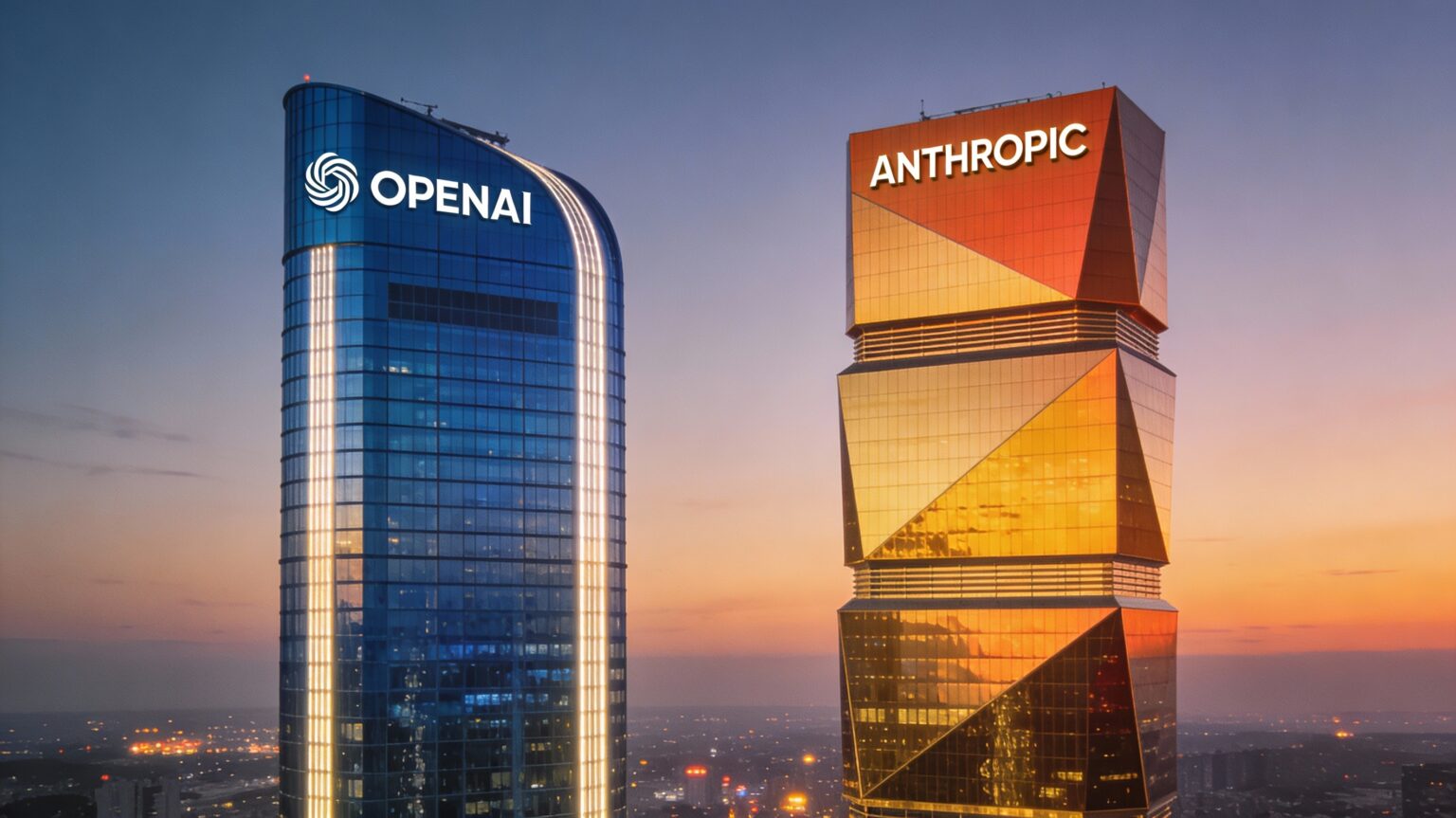
Anthropic’s $20B Mega Raise, Has the AI Funding Crown Changed Hands?
Anthropic has reportedly doubled its latest funding target to roughly USD $20 billion at a proposed valuation near USD $350 billion. The scale of the raise reignites the private market arms race among AI foundation model leaders and underlines how aggressively capital continues to chase frontier artificial intelligence.
This comes only months after Anthropic’s September 2025 raise of USD $13 billion at a valuation around USD $183 billion. Investor appetite has not cooled. If anything, it has intensified. Revenue growth helps explain why. The Claude developer’s annualised run rate reportedly surged from roughly USD $4 to $5.5 billion mid-year to more than USD $9 billion by late 2025.
Enterprise adoption is doing the heavy lifting. Tools like Claude Code and workflow automation products are gaining traction across regulated industries. For ASX investors, the message is indirect but important. Capital at this scale must be deployed somewhere. That means data centres, cloud infrastructure and specialised chips remain central themes into 2026.
The Raise That Redefines Scale
The expanded round is reportedly anchored by Singapore’s GIC and Coatue. Total funding would rise above USD $37 billion, placing Anthropic among the most heavily funded private companies in history. At the headline valuation, the company trades on an implied multiple near 17.5x annualised revenue.
That multiple is aggressive. It is not out of character for frontier AI economics. Investors are betting that scale, data and enterprise lock-in will matter more than near-term profitability. Safety-first positioning also differentiates Anthropic. Its emphasis on governance and risk controls resonates with banks, healthcare groups and governments. This is not a consumer story. It is a business software story, that distinction matters.
How the AI Leaders Compare
The funding gap between the leaders and the rest is widening fast. OpenAI still dominates user numbers and absolute revenue, but Anthropic’s growth rate has been exceptional. Doubling revenue in six months is rare at this scale. Smaller players like Mistral, Cohere and AI21 remain credible. They are simply operating in different lanes. Their valuations, typically between USD 5 and 50 billion, reflect niche strategies rather than platform dominance.
Public market giants avoid dilution entirely. Alphabet and Meta fund AI internally. That shields shareholders but increases scrutiny on returns.
Valuation Momentum Is Accelerating
Anthropic’s valuation trajectory stands out. From roughly USD $18 billion in 2024 to USD $183 billion in late 2025, now potentially USD $350 billion, momentum has been unmatched. OpenAI’s valuation range remains wide due to Microsoft’s deep integration and spending commitments.
Transparency is becoming a competitive advantage. Independent benchmarks in 2025 ranked Anthropic highly for disclosure and risk governance. That matters as regulators pay closer attention.
Read More

Infrastructure, Not Models, Captures the Spend
The real power often sits below the models. Nvidia continues to dominate training workloads. Hyperscalers control deployment economics. Training a frontier model now costs billions. Power, land and cooling matter as much as code. This is where listed markets participate.
For ASX investors, the exposure is clearer:
- Goodman Group and NextDC benefit from hyperscale data centre demand.
- Software enablers like WiseTech ride automation spillovers.
- Global tech ETFs provide diversified access without private market risk.
What It Means for 2026 Investors
Anthropic’s proposed raise confirms the AI funding landscape is bifurcating. A few labs absorb vast pools of capital. Infrastructure providers scale alongside them. Public investors rarely access the labs directly. The smarter approach is indirect exposure. Focus on infrastructure, chips and platforms with visible cash flow. Watch earnings calls from cloud providers closely. That is where the spending reality will surface.
Private hype is powerful. Public discipline still matters.