

- Sector Overview and Macro Context
- Sub-Sector Breakdown
- Biotechnology and Pharmaceuticals
- Diagnostics and Health Technology
- Hospitals and Private Healthcare Services
- Medical Devices
- Growth Leaders in the Sector
- Pro Medicus
- Telix Pharmaceuticals
- Sigma Healthcare
- Companies Facing Recovery Challenges
- CSL
- Cochlear
- Healius
- Global Benchmarking
- M&A and Consolidation Trends
- Key Catalysts Through 2027
- Long Term Structural Drivers
- Investment Outlook
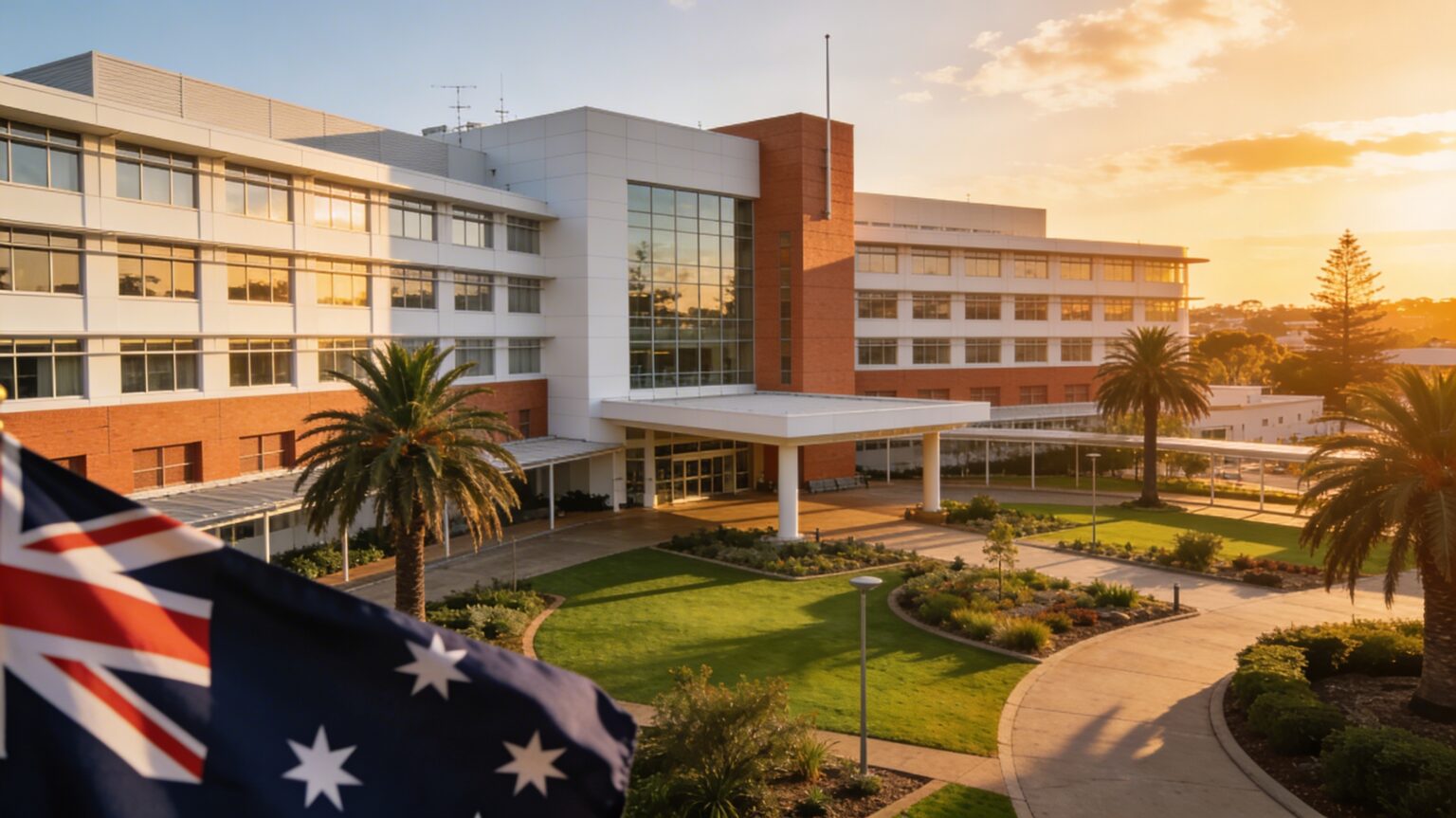
The ASX healthcare sector endured a difficult 2025. The S&P/ASX 200 Healthcare Index fell roughly 25% as post-pandemic normalization collided with company specific issues including slower plasma collection, delayed medical procedures, and weaker diagnostics demand.
Yet the first half of FY26 results suggest the worst may be behind the sector. Earnings stabilisation is emerging across several sub-sectors, while high-growth diagnostics and biotech names continue to deliver strong revenue momentum despite broader market volatility.
Long term demand drivers remain intact. Australia’s aging population will continue to increase healthcare utilisation for decades, creating a structural growth story that few sectors can match.
This expanded report explores the sector from multiple angles including sub-sector dynamics, company level opportunities, valuation trends, M&A potential and the key catalysts investors should monitor through the 2026 to 2030 investment cycle.
Sector Overview and Macro Context
Healthcare represents roughly six percent of total ASX 200 market capitalisation, with an estimated value close to AU$150 billion. While smaller than the dominant financials and materials sectors, it still holds significant strategic importance within the Australian equity market.
The sector itself spans four primary areas, biotechnology and pharmaceuticals, diagnostics and health technology, hospitals and healthcare services, and medical device manufacturers.
Forward valuations remain elevated relative to the broader market. Average forward price to earnings ratios across the sector sit around 28 times earnings, down from the five-year average near 33 times but still above the broader ASX 200 multiple.
This valuation reset reflects the difficult period experienced through 2024 and 2025. It also provides room for potential multiple expansion if earnings growth resumes.
Australia’s demographic profile remains the strongest long term driver. The domestic geriatric healthcare market was valued around AU$25 billion in 2024 and is expected to approach AU$50 billion by 2033. This represents a compound annual growth rate close to eight percent.
Meanwhile, the population aged over 65 is projected to rise from 4.2 million today to nearly 6.9 million by 2060, meaning more than 23% of Australians will fall into higher healthcare utilisation brackets. Healthcare spending will naturally follow. Per capita expenditure is expected to increase roughly four percent annually as chronic conditions, preventative medicine and specialist care requirements expand.
Government policy supports this trend. The National Disability Insurance Scheme is projected to reach AU$50 billion in annual funding by 2030, while Medicare spending on chronic disease programs continues growing at roughly six percent per year. Together, these factors provide a durable demand foundation that is relatively insulated from economic cycles.
Sub-Sector Breakdown
Biotechnology and Pharmaceuticals
Australia has developed a strong biotechnology ecosystem supported by world-class research institutions, generous R&D tax incentives and globally recognised clinical trial infrastructure.
Life sciences output is expected to reach roughly AU$120 billion by 2030, growing at a compound rate between 15% and 20%.
Radiopharmaceuticals represent one of the most exciting areas of innovation. These therapies target cancer cells with high precision and are increasingly attracting global investment.
However, biotech investing carries substantial risk. Clinical trial success rates remain low. Only around 10% to 15% of Phase III trials ultimately achieve regulatory approval.
Diagnostics and Health Technology
Diagnostics and health technology companies represent one of the most consistent growth areas within the ASX healthcare universe. The segment currently generates around AU$15 billion in revenue and is forecast to grow above 10% annually over the coming decade.
Artificial intelligence driven imaging, workflow automation software and enterprise healthcare platforms are major growth drivers. Telehealth adoption also continues expanding globally. Leading providers generate more than 85% recurring revenue, producing SaaS-like operating margins that can reach 60% to 75% at scale.
The United States market remains the key growth opportunity for Australian healthtech innovators. Competition from global giants such as GE Healthcare and Philips remains a challenge, while cybersecurity risks also require constant investment. Nevertheless, Australian firms have proven highly competitive in specialised workflow solutions.
Hospitals and Private Healthcare Services
Australia’s broader healthcare system spends more than AU$130 billion annually, with private hospitals representing a major portion of that expenditure. Elective surgery volumes are still recovering from pandemic disruptions. However, patient backlogs continue to clear and aging demographics are steadily increasing procedure volumes.
Private hospital operators in Australia generally outperform global peers due to relatively favourable reimbursement frameworks and moderate wage inflation trends. Labour costs remain a watchpoint. Still, wage growth is expected to moderate below 3.5% by FY27. Many operators are also reducing leverage after pandemic-related capital spending programs.
Medical Devices
Medical device manufacturers represent another stable growth segment, generating roughly AU$10 billion annually in Australia. Demand is closely linked to medical procedures. Orthopaedic implants, cochlear implants and robotic surgical tools are among the fastest growing areas.
The sector is expanding around nine percent annually. China remains an important market for several Australian device manufacturers, though this exposure introduces some economic and regulatory volatility. Long term demand remains compelling. Hearing loss alone is projected to affect 1.5 billion people globally by 2050.
Growth Leaders in the Sector
Pro Medicus
Pro Medicus has emerged as one of Australia’s standout health technology companies. The company delivered first half FY26 revenue growth of 28% to AU$125 million while maintaining exceptional profitability with EBIT margins above 70%. Its flagship Visage imaging platform continues gaining traction within the United States hospital system.
The company holds a debt free balance sheet and more than AU$220 million in net cash. Analysts expect revenue to grow at roughly 22% annually through FY28. Strong contract wins in the United States could accelerate that trajectory.
Telix Pharmaceuticals
Telix Pharmaceuticals has rapidly become a global leader in radiopharmaceutical imaging. The company reported FY25 revenue of US$804 million and guided toward US$950 million to US$970 million in 2026.
Growth is largely driven by Illuccix, a prostate cancer imaging product that has quickly gained market share. Additional pipeline programs, including the GoVAR brain cancer trial, provide important future catalysts. Current valuation multiples remain below global biotech peers, suggesting potential upside if pipeline milestones succeed.
Sigma Healthcare
Sigma Healthcare transformed its scale following the Chemist Warehouse merger. The combined business now generates approximately AU$6 billion in annual revenue and commands a large share of Australia’s pharmacy distribution network. Integration synergies are expected to lift operating margins toward four percent over time.
Earnings growth could reach 15% annually as procurement efficiencies and supply chain improvements are realised.
Companies Facing Recovery Challenges
CSL
CSL remains one of Australia’s largest healthcare companies but has faced significant near term challenges. First half FY26 net profit fell sharply due to plasma collection impairments exceeding AU$1 billion.
Underlying demand within the core CSL Behring business remains solid. However, recovery depends heavily on stabilising plasma donor volumes and improving margins. Long term earnings growth remains intact, although the timeline for full recovery remains uncertain.
Cochlear
Cochlear remains the global leader in implantable hearing solutions. The company experienced a disappointing FY26 first half result following regulatory delays affecting its China market. China represents an important growth region for Cochlear. Short term volatility should therefore be expected. Nevertheless, global hearing loss prevalence continues increasing. This structural demand supports long term implant volume growth.
Healius
Healius has struggled more than most healthcare peers during the post-pandemic transition. The company remains heavily exposed to pathology testing volumes that declined sharply after COVID-19 related testing subsided. Debt levels remain elevated. Restructuring initiatives are underway, but investors are waiting for clearer evidence of a turnaround. Until balance sheet pressure improves, the stock may remain underperformance prone.
Global Benchmarking
The ASX healthcare sector represents a smaller weighting than global benchmarks. Healthcare accounts for roughly 13% of the MSCI World Index compared with about 6% in Australia.
Despite the smaller weighting, Australia benefits from strong structural tailwinds. The country’s aging population profile closely mirrors other developed economies while universal healthcare coverage reduces reimbursement volatility. Globally, the biotechnology market alone could reach US$3.9 trillion by 2030.
Australian companies remain highly export focused and capture a meaningful share of Asia Pacific healthcare innovation. However, valuations remain higher than many international peers, reflecting stronger growth expectations and stable regulatory frameworks.
M&A and Consolidation Trends
Healthcare mergers and acquisitions have accelerated globally. Deal values reached roughly US$350 billion in 2025 as large pharmaceutical companies sought to replenish drug pipelines through acquisitions. Several potential consolidation themes are emerging within the Australian market.
Diagnostics providers may pursue smaller technology acquisitions to expand software capabilities. Hospital operators continue exploring asset sales to strengthen balance sheets. Private equity firms are also increasingly active across healthcare services.
The recent Sigma Healthcare and Chemist Warehouse merger demonstrates how scale consolidation can reshape competitive dynamics across the sector. Lower interest rates could encourage further deals over the next two years.
Read More

Key Catalysts Through 2027
Several important events could influence sector performance. CSL’s FY26 second half results will provide clarity around plasma recovery. Pro Medicus investors will closely monitor US contract wins and revenue mix changes. Telix Pharmaceuticals faces a critical Phase III trial readout for its GoVAR brain cancer therapy. Ramsay Health Care may also complete a significant asset sale that could improve its balance sheet position. Meanwhile, Cochlear’s China market recovery remains another key factor for sector sentiment.
Long Term Structural Drivers
Three structural forces underpin the long term outlook. First, demographics remain the most powerful driver. Australia’s population over age 65 will nearly double by 2060. Second, chronic disease management is expanding healthcare spending across diagnostics, pharmaceuticals and hospital services. Third, government funding programs including Medicare and the NDIS continue increasing healthcare investment.
These factors create a relatively predictable long term growth trajectory for the sector.
Investment Outlook
The base case scenario suggests healthcare sector earnings could grow around 12% annually through 2030. If achieved, total returns may reach approximately 15% per year, outperforming the broader ASX 200.
A balanced portfolio approach may include a mix of high growth innovators and more stable recovery opportunities. Pro Medicus and Telix Pharmaceuticals represent leading growth exposures. Sigma Healthcare offers scale driven earnings growth, while CSL provides defensive long term biotech exposure once plasma markets stabilise. Investors should remain selective. Regulatory approvals, clinical trial outcomes, labour costs and cybersecurity risks all remain key sector considerations.
However, the current valuation reset may present an attractive entry point for long term investors seeking exposure to Australia’s structural healthcare growth story.
Disclaimer
The Investor Standard provides general information for education and research only. It is NOT personal advice, a recommendation, or an offer to buy/sell any security. This content has been prepared without taking into account your objectives, financial situation or needs. Past performance is not indicative of future results. Before acting on any information, consider its appropriateness and seek independent advice from a licensed financial adviser.