

ASX growth stocks with high insider ownership have shown a remarkable ability to weather tough markets. Between 2022 and 2025, companies where founders held meaningful stakes, typically between 10 and 30 percent, often fell less during draw downs, raised capital on far better terms and made smarter decisions about cost reduction. The key pattern is simple but powerful. When the growth is real and the founders have genuine skin in the game, alignment strengthens and the downside becomes far more manageable.
For investors, screening ASX growth names by insider ownership reveals an edge that traditional high growth filters often miss. Strong ownership signals discipline, careful allocation and a mindset that is focused on long term value rather than short term noise.
Founder Led Companies and ASX Outperformance
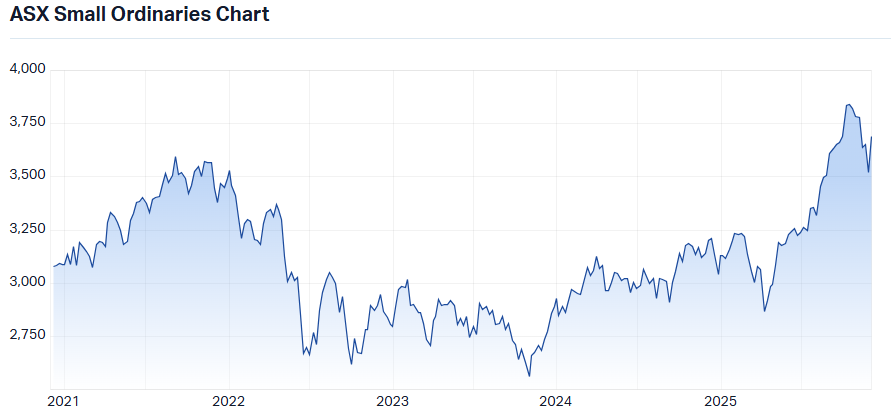
The numbers behind founder ownership are compelling. Blackwattle’s fifty stock founder index beat the ASX 300 by around eighteen percent annually over the decade to 2024. The outperformance came from better innovation cycles and far more rational capital decisions. Wilson Asset Management reported similar results. Its founder led selections inside WAM Leaders returned twenty five percent per year over three years to mid 2024 and outpaced the Small Ordinaries by more than twenty percentage points.
Global research supports the same conclusion. Founder CEOs tend to operate with longer horizons, tighter spending habits and higher conviction. High ASX insider ownership creates a natural filter that helps separate durable compounders from the more promotional small caps that rely heavily on capital markets.
Leading ASX Growth Stocks with High Insider Ownership
Current screens highlight a cluster of ASX growth stocks where strong insider ownership aligns with rising revenue. Alpha HPA, Artrya and Adveritas sit near the top of these lists, with insiders holding mid teen stakes through to more than fifty percent in some cases. Pointerra insiders hold roughly a quarter of the register. Adveritas insiders collectively exceed half of the shares on issue.
More than one hundred ASX companies now pass the combined filter of fast revenue growth and high insider ownership. The list spans technology, specialty materials and early stage health names. Some such as IRIS Metals and Newfield Resources also appear on screens, although their dilution histories vary significantly.
Capital Discipline Through ASX Market Stress
Founder heavy companies demonstrated stronger capital discipline through recent volatility. Many avoided deep discounted raises that were common across the small cap market and instead trimmed spending or raised early when pricing was favourable. Alpha HPA is a clear example. Its insiders hold a stake worth more than one hundred million dollars, reinforcing careful per share thinking as the business scales.
Pointerra kept dilution modest each year, a stark contrast to health and tech peers that expanded their share count by twenty to ninety percent. When paired with a reasonable cash runway, high insider ownership can become a material layer of downside protection for investors.
Good Insider Ownership Versus Bad Insider Ownership
Not all insider ownership is equal. Strong insider ownership usually comes with meaningful founder stakes, lean salaries, conservative use of debt and cautious approach to acquisitions. It often includes insiders buying when sentiment weakens. Poor insider ownership tells a different story. Control blocks that allow related party deals or empire building can entrench weak decisions. Investors should monitor insider transactions closely. Buying tends to reinforce alignment, while aggressive selling or repetitive dilutive raisings can signal deeper issues. Governance checks and succession planning help distinguish genuine founder led opportunities from value traps.

A Practical Framework for Investors
A twenty percent insider ownership threshold is a useful starting point when screening ASX growth stocks. From there, investors should assess revenue quality, runway, historical capital raises and the pattern of insider buying or selling. Position sizing should then reflect business maturity. Founder led compounders generally support larger positions, while speculative pre profit companies should stay capped until execution becomes clearer.
In volatile markets, insider ownership adds another layer of insight to traditional financial metrics. It helps identify who is building long term value and who is simply surviving the cycle.
Disclaimer
The Investor Standard provides general information for education and research only. It is NOT personal advice, a recommendation, or an offer to buy/sell any security. This content has been prepared without taking into account your objectives, financial situation or needs. Past performance is not indicative of future results. Before acting on any information, consider its appropriateness and seek independent advice from a licensed financial adviser.