

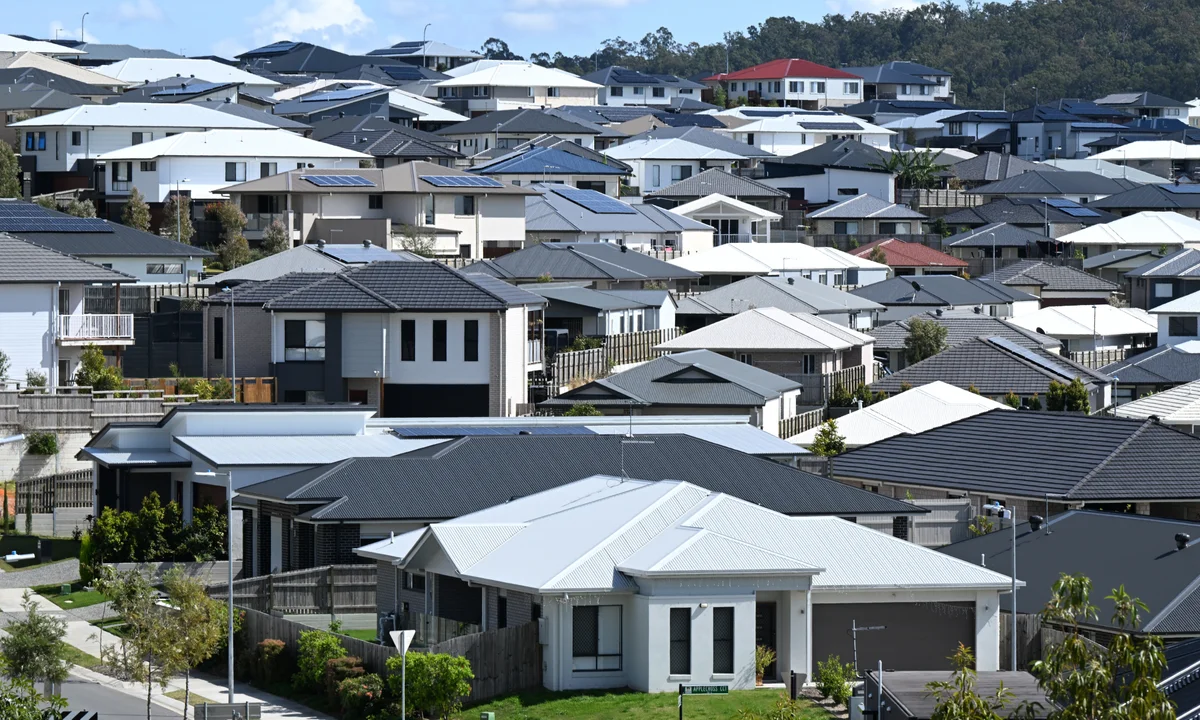
The real estate market has long been a prominent topic of discussion across diverse demographics in Australia and abroad. It attracts attention not only from buyers and sellers but also from investors seeking opportunities. As one of the wealthiest asset classes, second only to gold, it remains a compelling subject for analysis. To gain a deeper understanding of how the market functions and how it connects with interest rates, as well as monetary and fiscal policies, this topic will be divided into four sections, each covering a different decade.
The real estate market in the early 1990s
In the early 1990s, during Prime Minister Paul Keating’s tenure, Australia entered a recession that some observers regarded as a necessary correction. The economy had been expanding at a pace beyond government expectations, prompting policymakers in 1990 to raise interest rates to nearly 17.5% in an effort to curb inflation. The tightening measures, however, contributed to a sharp decline in GDP and drove unemployment to almost 11%, marking one of the most challenging economic periods of the decade.
With interest rates at such elevated levels, borrowing became prohibitively expensive, which in turn reduced housing demand. As a result, property prices declined by around 8%, a relatively modest drop given the broader economic recession.
Mid Decade (1995-2000)—The Recovery
In the mid-1990s the government eased up the interest rates as the economy began to recover. These lower interest rates made mortgages affordable, and this supported the demand swing for real estate prices. The interesting point to note was that even though the country was in recession in the early 90s, the trend for borrowing continued. Now that the RBA had cut interest rates, there were vast amounts of credit available, and the population was willing to borrow and purchase real estate.
Population growth was another key factor supporting the housing market’s recovery. Australia’s population rose from 17.3 million in 1990 to 19.2 million in 2000, an increase of about 11% over the decade. This growth was largely driven by government policies promoting skilled migration. Most new arrivals settled in major urban centers, especially Sydney, Melbourne, Brisbane, and Perth. This concentrated demand in these markets and strengthened housing prices.
Growth in the market
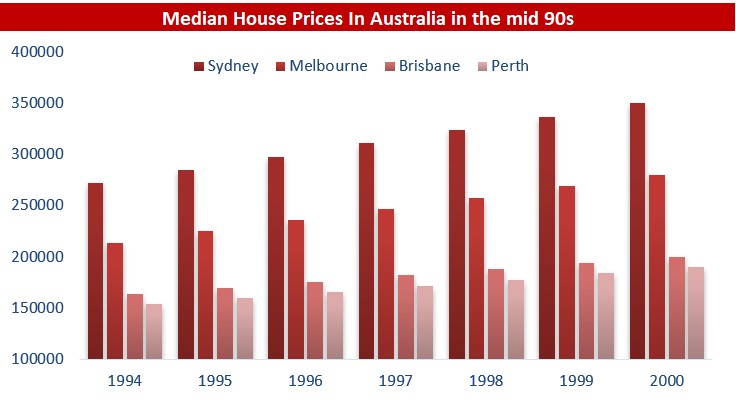
The above graph shows housing price recovery across Australia’s major cities, with Sydney and Melbourne leading the way and Brisbane and Perth showing more modest but stable growth. The city-wise growth from 1994 to 2000 is as follows:
- Sydney – 28.67%
- Melbourne – 30.84%
- Brisbane – 21.95%
- Perth – 23.37%
The 1990s marked a transformative period for Australia’s real estate market, shaped by significant policy shifts and infrastructural developments. Despite early challenges, the sector experienced modest growth throughout the decade, laying the foundation for the momentum that carried into the new millennium. The next section of The Real Estate Standard will dive into the developments from 2000 to 2010.