

Lithium has stormed into 2026 with another high-voltage rally, pushing spot spodumene back above US$2000 a tonne for the first time since late 2023. The resurgence has caught out short sellers, revived investor interest in Pilbara Minerals (PLS), and prompted brokers to scramble upward revisions across the sector.
Behind the price action is a material tightening in supply conditions and a demand impulse coming from two major channels: EVs and energy storage systems (ESS), the latter now one of the fastest-growing end-markets for battery metals worldwide.
A Market Repricing in Real Time
Bell Potter became the latest broker to lift its lithium outlook, upgrading price targets across eight ASX-listed miners and shifting its recommendation on PLS from sell to hold, effectively a green light for accumulation after months of caution.
The shift coincided with spodumene jumping to US$2305 a tonne, S&P Global Platts data showed, clearing the psychologically important US$2000 threshold.
Bell Potter now forecasts spodumene at US$1750 by year-end, nearly double its previous estimate. Although still well below Barrenjoey’s ultra bullish US$3250 call, the direction of travel is clear: analysts are ratcheting expectations higher as fundamentals tighten.
PLS, Liontown and Mineral Resources, all previously hammered during the 2023-24 lithium slump, now sit on sharply upgraded target prices, rising between 15% and 72% in Bell Potter’s latest round.
Why Prices Are Surging: ESS Steps Up
2025 marked the turning point where stationary energy storage overtook EVs as the surprise engine of lithium demand.
Barrenjoey expects ESS shipments to climb 40% in 2026, driven by:
- cheaper system economics
- supportive policy frameworks
- higher renewable penetration requiring grid-stabilising battery capacity
This is not a one-off spike. Barrenjoey argues these drivers will carry into 2027 and beyond, particularly in regions racing to decarbonise power systems.
At the same time, China is working through an “inventory destock” that is resetting the supply-demand balance. With carbonates and hydroxides being drawn down faster than expected, the market has become hyper sensitive to earn even marginal changes in supply.
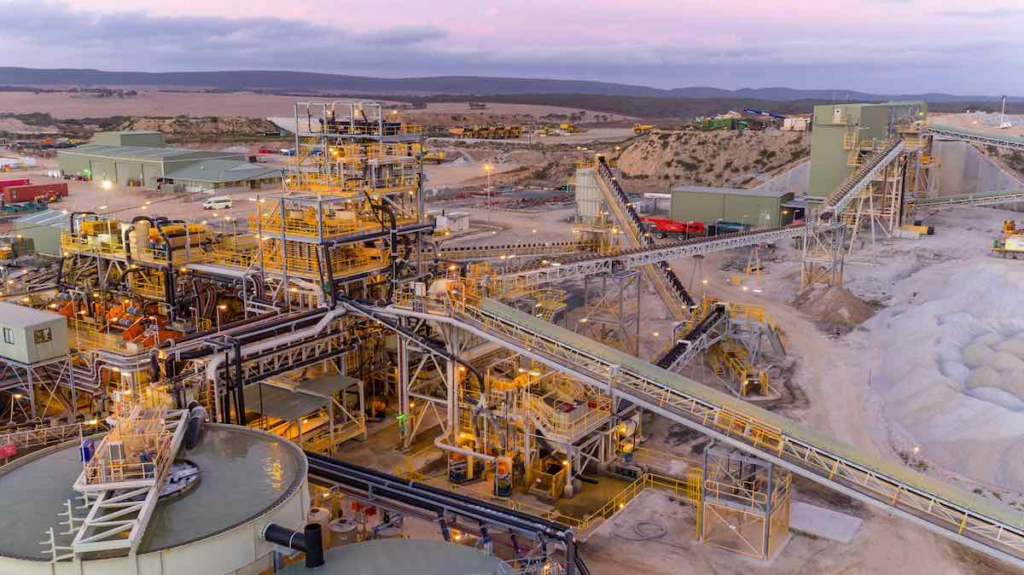
Australian Miners Regain Their Footing
For producers like PLS, the recovery in pricing isn’t only a margin boost, it’s strategic breathing room.
Bell Potter now sees “material strengthening” in PLS’s earnings outlook, citing:
- a rapidly improving cash generation profile
- the ability to reactivate previously unviable capacity
- low cost expansion potential through its Colina Project in Brazil
After doubling in value over the past year, PLS is no longer the short-seller’s favourite punching bag. Short interest has plunged, and sentiment has rebound sharply as the company moves closer to a multi-asset scale.
A Deficit Is Forming, Not a Glut
The narrative that dominated 2023 and 2024, concerns of a prolonged oversupply, is shifting.
Barrenjoey now expects lithium to enter a 2-4% deficit by 2026/27, driven by:
- ESS demand growth
- stable global EV sales
- shrinking inventory buffers
- slow mine restarts after the downturn
Given how price sensitive the market has become, even a modest deficit can generate significant upside volatility.
Read More

What This Means For Investors
Lithium’s rally is no longer a speculative blip, the market structure is tightening in ways that favour producers. But the winners will be selective.
Attractive for investors:
- PLS regaining momentum with real expansion capabilities
- Liontown and Mineral Resources benefitting from higher pricing and leverage to volume recovery
- a structural shift toward ESS that broadens lithium’s demand base beyond EV cycles
Risks to watch:
- Chinese policy swings in mining approvals
- volatility tied to speculative flows
- cost inflation for Australian operations
For now, the setup is the cleanest it has been since 2022. Rising demand, tightening supply and market upgrades rolling in. After years of bearish sentiment, Australia’s lithium names are finally charging again.