
- A pivotal fortnight for global mining
- Merger talks and the strategic logic
- Coal remains the political and regulatory fault line
- Glencore’s acquisition, signal or pressure tactic
- Antitrust risk shapes deal structure
- Ripple effects across the ASX
- Investment positioning and risks
- Outlook, consolidation accelerates
A pivotal fortnight for global mining
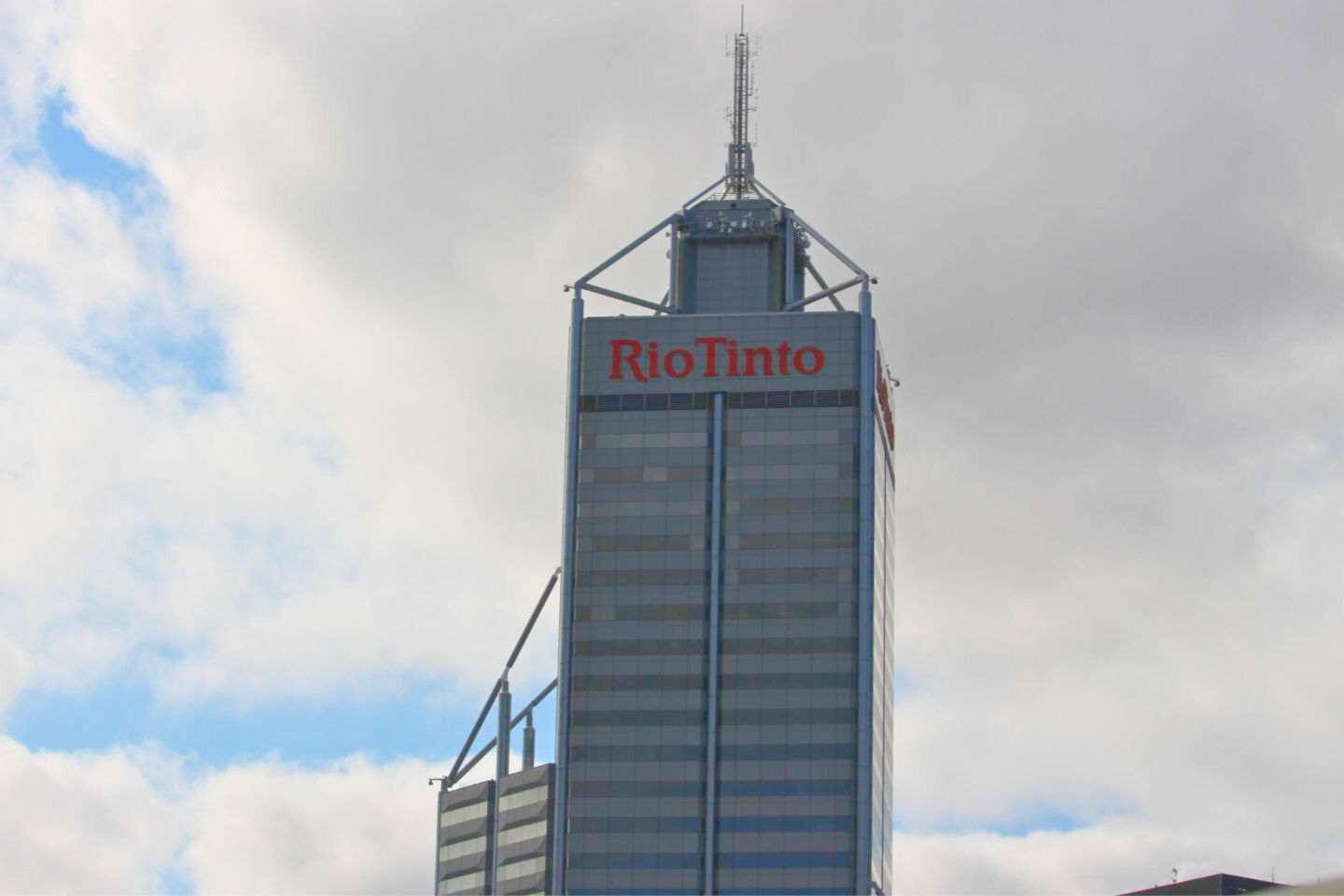
Glencore’s latest acquisition, widely reported as a targeted move into copper or battery minerals, has sharpened focus on its ongoing merger discussions with Rio Tinto. With Rio’s firm offer deadline set for 5 February 2026, the timing is deliberate. This is no background portfolio adjustment. It materially changes the negotiation dynamics.
For ASX investors, the implications extend well beyond London boardrooms. A successful deal would reshape global mining leadership, alter commodity supply chains, and force strategic responses from rivals like BHP. Scale matters again. So does copper.
Merger talks and the strategic logic
Rio Tinto and Glencore confirmed preliminary discussions in early January 2026 around an all share takeover of Glencore via a UK court approved scheme. The implied combined valuation ranges from US$200 billion to US$207 billion. That would eclipse every mining merger in history.
Copper sits at the centre of the logic. Glencore brings trading dominance and a diversified base metals portfolio. Rio contributes tier one iron ore assets in the Pilbara and long dated growth options such as Oyu Tolgoi. Together, the group would control close to 15% of global copper supply.
That concentration matters. Copper demand is forecast to double by the mid 2030s, driven by electrification, data centres, and grid upgrades. Control of future supply has strategic value.
Coal remains the political and regulatory fault line
Thermal coal continues to complicate negotiations. Rio exited coal years ago to align with ESG mandates. Glencore has taken the opposite approach, consolidating coal assets and recently bundling them into a standalone structure.
This divergence is not accidental. It signals flexibility. Analysts increasingly expect any deal to involve coal being spun out, possibly into an ASX listed vehicle, to ease regulatory approval and satisfy Rio shareholders.
Glencore’s acquisition, signal or pressure tactic
Market reports suggest Glencore’s acquisition adds copper or critical minerals exposure, precisely the assets Rio values most. Strategically, this strengthens Glencore’s hand. It aligns its portfolio more closely with Rio’s future facing narrative.
There is a trade off. The additional scale intensifies antitrust scrutiny. Regulators across Australia, the UK, Europe, and China are already alert. Any increase in copper concentration raises the likelihood of forced divestments.
Antitrust risk shapes deal structure
A combined Rio Glencore entity would eclipse BHP by market capitalisation. It would also dominate key markets including copper, iron ore, and physical commodity trading.
This shifts leverage. Rio can afford to demand portfolio clean up. Expect proposals to divest coal, rationalise zinc and nickel assets, and potentially reduce trading overlaps. The structure matters as much as the price.
Timing pressure is building. Rio must either table a binding offer or extend talks. With Glencore signalling willingness to adjust its asset base, momentum currently favours continuation rather than collapse.
Ripple effects across the ASX
BHP sits under the brightest spotlight. After its failed Anglo American approach, investors expect a response. That could mean targeting mid tier copper producers or positioning to acquire assets divested by Glencore.
Small cap ASX miners may see volatility. Consolidation benefits majors, but carve outs create opportunity. Lithium, nickel, and rare earth juniors with strategic assets could attract renewed interest.
Globally, peers like Vale, Freeport, and Teck are watching closely. Copper premiums have already lifted on supply concerns. Rio and Glencore shares rose between 3% and 5% on renewed deal speculation.
Read More

Investment positioning and risks
The bull case is clear. A deal proceeds after divestments, synergies emerge in copper trading and logistics, and scale drives valuation upside. Pullbacks in Rio or Glencore could offer opportunity.
The bear case is equally real. Regulators block the transaction. Value is destroyed. Sentiment reverses quickly. Mining history is littered with failed mega deals. For diversified portfolios, hedging via juniors with supply chain exposure can reduce single name risk.
Outlook, consolidation accelerates
Glencore’s acquisition reinforces 2026 as a defining year for mining consolidation. Balance sheets are strong. Tier one assets are scarce. Political risk is manageable.
The 5 February deadline is critical. An extension looks likely. A firm offer by March could ignite sector wide re pricing. For WA based investors, mapping local assets against a potential new giant is no longer theoretical. It is essential.