
The ASX is being pulled in two directions right now.
On one side, resource stocks are benefiting from strong commodity prices and supply discipline. On the other, housing-exposed names are facing a tougher domestic backdrop, as inflation remains elevated and interest rates stay restrictive.
Both themes matter. But they behave very differently in a portfolio.
Resources: Real Assets Back in Favour
1. Iron ore and copper: supply matters again
Iron ore has held above the key US$100 per tonne level despite repeated forecasts of a drop toward US$80. At the same time, copper has traded near record highs above US$13,000 per tonne, supported by electrification demand, grid investment and AI-driven data centre buildouts.
For large diversified miners such as BHP Group (ASX: BHP) and Rio Tinto (ASX: RIO), this is meaningful. Both still generate the bulk of earnings from iron ore, but copper is increasingly central to long-term strategy.
The shift is structural:
- Electrification (EVs, renewables, grid upgrades) requires more copper per unit of output.
- Supply growth remains constrained by permitting delays and capital discipline.
- Few large-scale projects are entering production this decade.
Investor lens: In this environment, scale and balance sheet strength matter more than speculative exploration upside. Low-cost producers with diversified exposure tend to attract institutional capital first.
2. Gold: a confidence hedge, not just an inflation trade
Gold’s surge through US$5,000 per ounce earlier this year reinforced its role as a hedge against policy uncertainty and currency volatility.
ASX names like Northern Star (ASX: NST) and Evolution Mining (ASX: EVN) have benefited from higher realised prices, but performance divergence between producers highlights an important point:
Gold price alone does not drive returns.
Execution, cost control, and production reliability do.
In a regime where sovereign debt levels and geopolitical tensions remain elevated, gold retains a structural bid. But valuations can stretch quickly during momentum phases.
Investor lens: Gold exposure can play a portfolio stabiliser role, but quality operators matter more than the commodity headline.
Housing: Strong Prices, Fragile Affordability
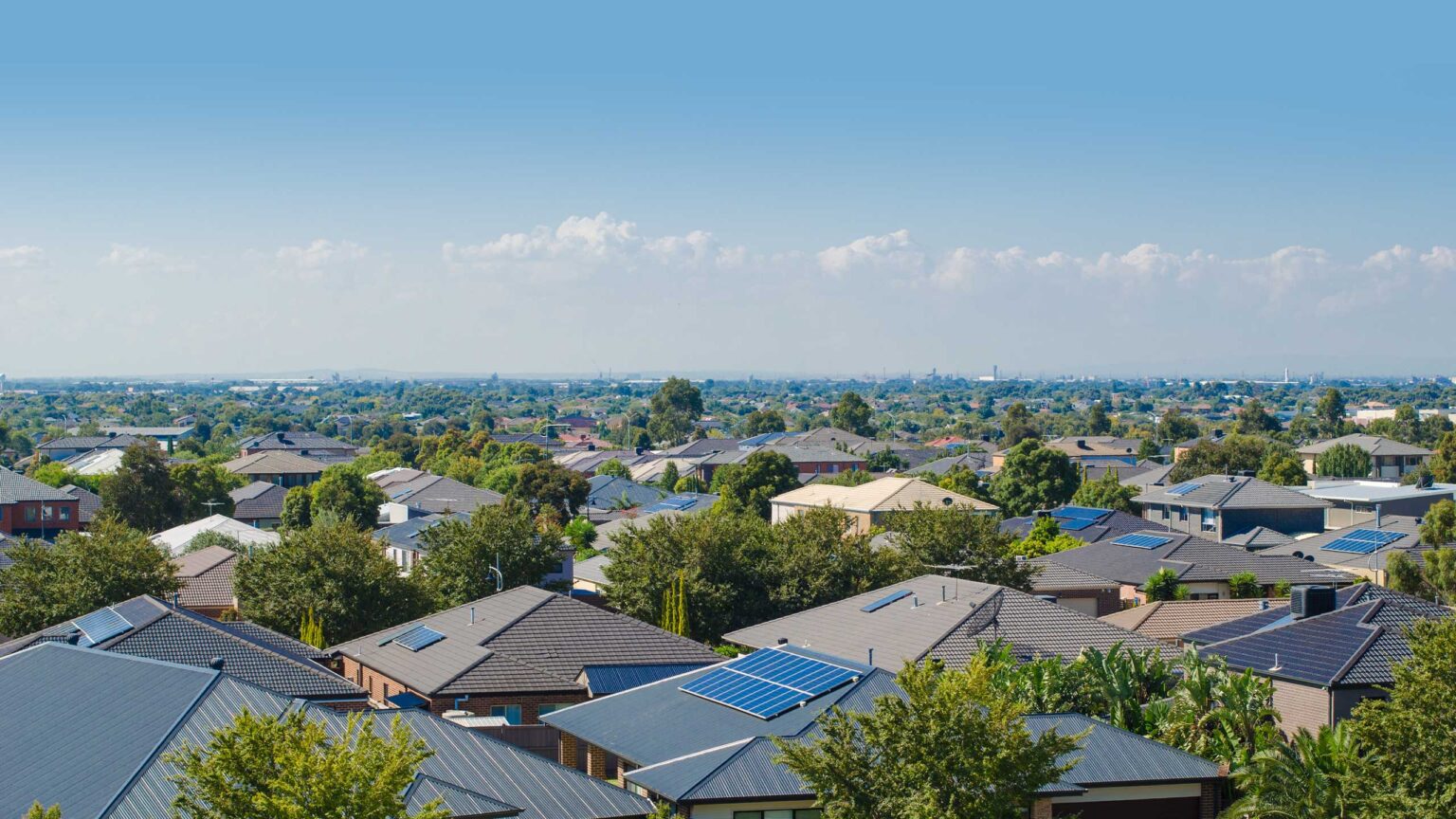
Housing is a different story.
National dwelling prices rose strongly in 2025, and economists broadly expect continued gains in 2026. The core drivers are clear:
- Persistent housing supply shortages.
- Population growth exceeding 400,000 per year.
- Limited new construction completions.
Yet the macro backdrop is tightening.
1. Higher for longer interest rates
With headline inflation around 3.8% and trimmed mean inflation above the RBA’s 2–3% target band, the central bank has limited room to ease aggressively.
Even if rate rises are modest, mortgage rates remain restrictive compared to the ultra-low environment of 2020–2021.
That creates a tension:
- Asset prices rise due to supply constraints.
- Borrowing capacity remains constrained by higher rates.
2. Who wins in this environment?
Not all housing-linked stocks behave the same.
- Banks (e.g., CBA, NAB) benefit from stable credit growth and margins, but face valuation pressure if earnings growth stalls.
- Developers and builders remain exposed to cost inflation and labour shortages.
- Building materials names depend heavily on volume, not just price.
Housing price growth does not automatically translate into earnings growth for housing-exposed equities.
Investor lens: Look beyond house price headlines. Focus on margin resilience, cost pass-through ability, and balance sheet leverage
The Bigger Picture: Real Assets vs Rate Sensitivity
The market right now is distinguishing between:
- Real asset beneficiaries (resources with global demand drivers and constrained supply),
- and rate-sensitive domestic sectors (housing, retail, leveraged plays).
This divergence reflects uncertainty about inflation persistence and monetary policy. When inflation stays sticky, hard assets tend to attract capital. When growth slows materially, housing-linked equities can struggle even if property prices remain firm.

What It Means for Investors
- Resources remain structurally supported by global electrification and constrained supply. Prioritise low-cost, diversified producers over high-capex development stories.
- Gold can hedge policy and currency risk, but company execution matters more than the metal alone.
- Housing exposure requires selectivity. Strong pricing power and conservative balance sheets are critical in a higher-rate world.
- Regime matters more than headlines. A market led by commodities is signalling something different from one led by consumer cyclicals.
The key is not choosing “resources or housing.” It’s understanding the macro forces driving each and positioning accordingly.