
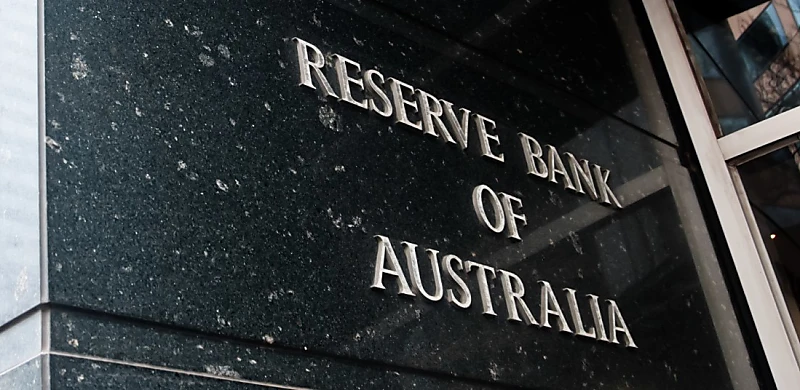
Expectations for another Reserve Bank of Australia rate increase are rapidly building as the conflict in the Middle East pushes oil prices higher and raises concerns about a renewed wave of inflation.
Economists and traders are increasingly positioning for a rate hike at the RBA’s next policy meeting, with several major banks shifting their forecasts after hawkish commentary from senior central bank officials and rising energy prices reshaped the inflation outlook.
Markets had previously expected the RBA to move once more later in the year. Now, the debate has shifted to whether the tightening cycle resumes immediately.
Oil Shock Reignites Inflation Concerns
The latest shift in expectations follows a sharp surge in global oil prices after the escalation of conflict involving Iran disrupted supply flows through the Strait of Hormuz, a shipping route responsible for roughly one-fifth of global oil trade.
Crude briefly surged toward US$120 per barrel earlier in the week before retreating toward the high-US$80 range. Even with prices easing, the move has been enough to reignite inflation fears across global markets.
Energy costs feed directly into inflation through fuel, transportation, and production costs. For central banks already trying to control price pressures, an oil shock complicates policy decisions.
In Australia, inflation remains well above the Reserve Bank’s long-term target of around 2.5 per cent. Headline inflation is currently sitting near 3.8 per cent, leaving policymakers wary of any additional price pressures entering the system.
Hawkish Signals from the RBA
Expectations for an earlier rate hike accelerated after remarks from RBA deputy governor Andrew Hauser, whose comments were interpreted by markets as a clear signal that the central bank remains focused on preventing inflation from re-accelerating.
Hauser warned that failing to act decisively would be damaging for the economy if inflation expectations became entrenched.
“We don’t want to go through that period again,” he said, referencing the surge in inflation that followed the global energy shock after Russia’s invasion of Ukraine.
The message from policymakers was reinforced by comments from RBA governor Michele Bullock earlier in the week, who described the upcoming meeting as “live” for a potential move.
Bond markets reacted quickly. Australian government bond yields jumped as traders began pricing a higher probability of an immediate rate increase, while the Australian dollar rallied to its highest level in several years.
Economists Shift Their Forecasts
Several major banks have now revised their outlooks.
National Australia Bank and Westpac expect the RBA to lift the cash rate by 25 basis points at the upcoming meeting, followed by another increase in May that would push the rate to around 4.35 per cent.
Money markets are pricing roughly a 70 per cent probability of a rate rise in March, a significant jump from earlier expectations that the central bank would wait until later in the year.
Economists point to a combination of factors supporting tighter policy.
Economic growth has remained stronger than expected, unemployment remains historically low, and inflation has proven more persistent than many forecasts suggested.
Stronger-than-expected GDP growth of 2.6 per cent in the final quarter of last year has also strengthened the case for further tightening.

Inflation Versus Growth
The RBA now faces a familiar dilemma. Rising energy prices threaten to push inflation higher, but aggressive rate increases risk slowing the broader economy.
If oil prices remain elevated, central banks globally may face renewed pressure to tighten policy again after months of discussion around rate cuts.
Higher borrowing costs would place additional strain on households already facing elevated mortgage repayments and cost-of-living pressures.
Yet policymakers appear increasingly concerned that failing to act could allow inflation expectations to rise again, which would make the eventual task of controlling prices even more difficult.
Read More

Markets Brace for Volatility
Financial markets are adjusting to a more uncertain outlook.
Bond yields have moved higher as traders reassess the trajectory of monetary policy, while currency markets have reacted to the prospect of tighter Australian interest rates relative to other economies.
For investors, the key variable remains energy prices. If disruptions to global oil supply persist, inflation risks could intensify and push central banks toward further tightening.
If oil stabilises or declines, the RBA may have more flexibility to pause and assess how existing rate increases are flowing through the economy.
For now, however, markets appear to be preparing for a more hawkish central bank and a policy outlook shaped by geopolitics as much as domestic economic data.