

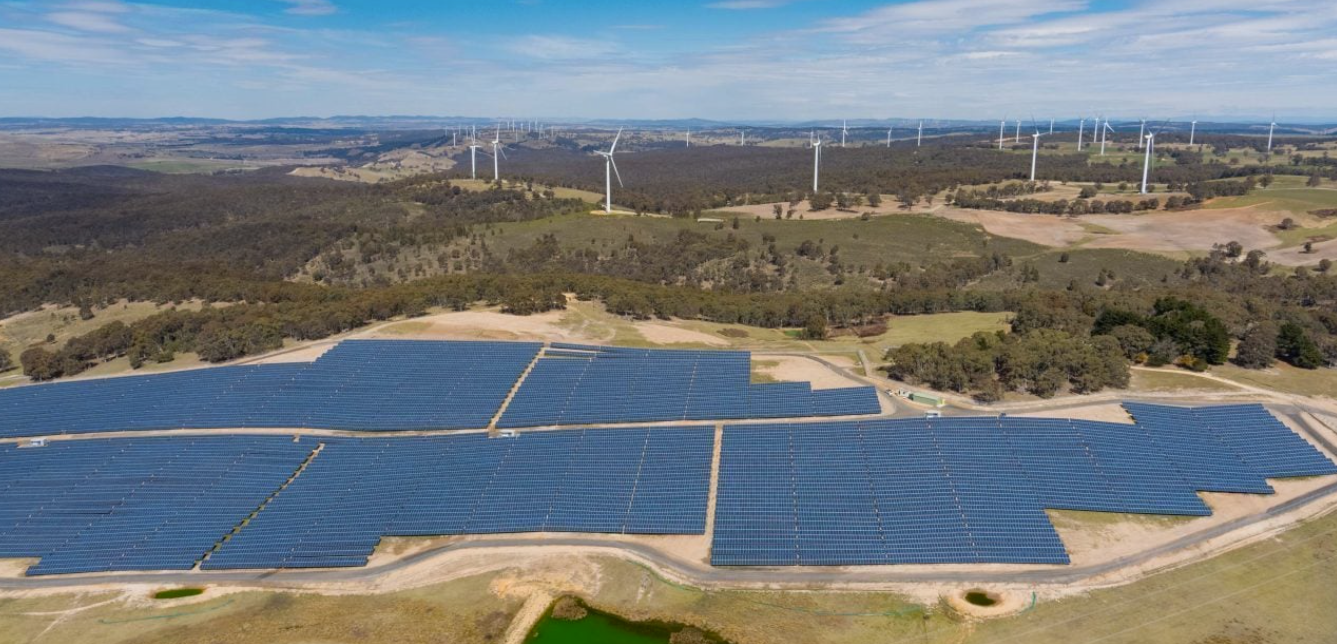
Australia clean energy investment is hitting record highs, yet the nation’s electricity grid is struggling to keep pace. With more than $12.7 billion flowing into renewable energy projects last year, Australia’s transition is booming, but critical transmission gaps threaten to slow progress and affect investor returns. This mismatch between generation and grid readiness has become one of the defining challenges for the nation’s energy transition.
Record Clean Energy Investment Hits the Grid’s Critical Test in Australia
Australia’s clean energy landscape is booming with record investment but simultaneously bumping up against grid infrastructure limits that could undermine the transition’s pace and investor returns.
Last year marked a milestone, with over $12.7 billion poured into clean energy development across wind, solar, and battery storage projects. Utility-scale solar and battery projects drew the lion’s share, while rooftop solar uptake broke new records with more than 300,000 new installations, pushing distributed renewable capacity beyond 12% of the national electricity mix. These figures affirm Australia’s position as a global leader in renewable investment.
The Transmission Challenge: Power Without Pathways
The biggest bottleneck sits in transmission infrastructure. To connect new renewable generation to cities and industrial centres, Australia must build thousands of kilometres of high-voltage lines. Yet, less than half of the 5,000 kilometres of planned new transmission have moved beyond preliminary stages. The result is growing grid congestion. In several states, up to 25% of potential wind and solar output is curtailed, wasted simply because the system cannot carry electricity where it’s needed.
These constraints not only limit renewable output but also undermine investor returns and delay emissions reduction targets. Unless addressed, they risk turning Australia’s clean energy boom into a short-term surge rather than a lasting transformation.
Read More

The Waratah Super Battery: A Warning Signal
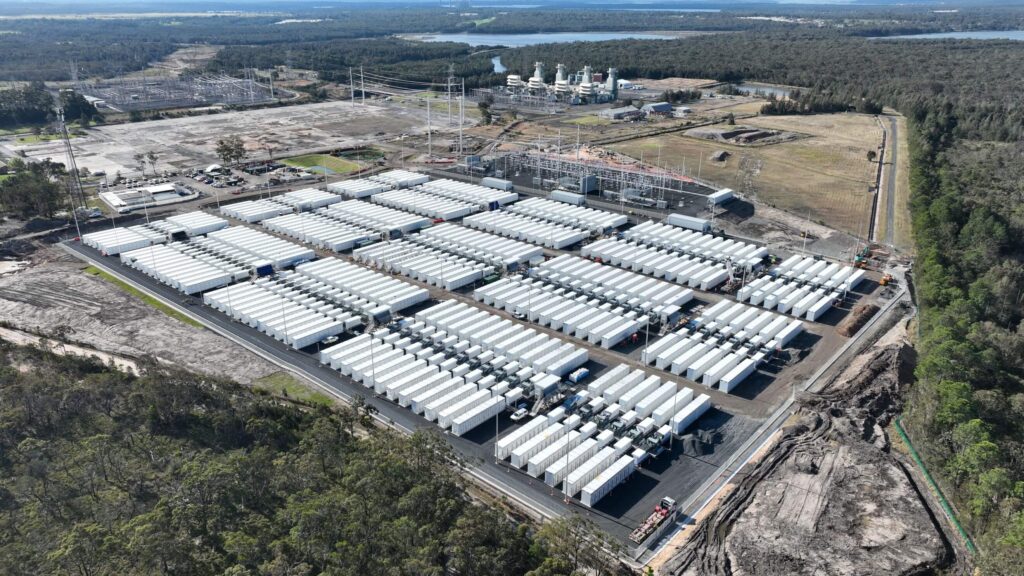
A recent incident at the Waratah Super Battery in New South Wales, the largest grid-scale energy storage project in the Southern Hemisphere, has highlighted the challenges of integrating complex new assets into an ageing network. Just before its full commissioning, a transformer fault reduced operational capacity by two-thirds, delaying crucial grid support. The issue underscored how technical risks and system fragility can quickly ripple through Australia’s transition strategy.
While the fault is not indicative of the sector’s broader health, it has amplified calls for stronger quality control, transparent governance, and better coordination between government and private operators.
Balancing Growth With Grid Readiness
Government initiatives like the Capacity Investment Scheme are injecting renewed confidence into the clean energy pipeline. However, Australia’s long-term transition success will depend on whether infrastructure can expand as rapidly as new generation capacity.
Industry experts suggest that the next critical phase must prioritise faster transmission project approvals, greater investment in energy storage to manage supply intermittency, and the integration of advanced digital grid technologies to improve system visibility and control. At the same time, stronger regional coordination will be essential to connect renewable hubs efficiently and ensure power can flow seamlessly between resource-rich and demand-heavy areas. Ultimately, the balance between renewable ambition and physical grid readiness will determine whether Australia’s clean energy momentum evolves into a truly sustainable transformation.
The Path Forward: Integration, Not Just Expansion
Australia’s clean energy sector is entering a pivotal phase. Record levels of private and institutional capital are flowing into renewables, but the country’s energy infrastructure must evolve to support it. The lesson from 2024 is clear, investment alone isn’t enough. Without resilient, well-planned grid systems, even the most ambitious renewable projects will struggle to deliver their full potential. Australia’s clean energy future remains bright, but it will demand as much focus on infrastructure and system reliability as it does on generation and growth.