
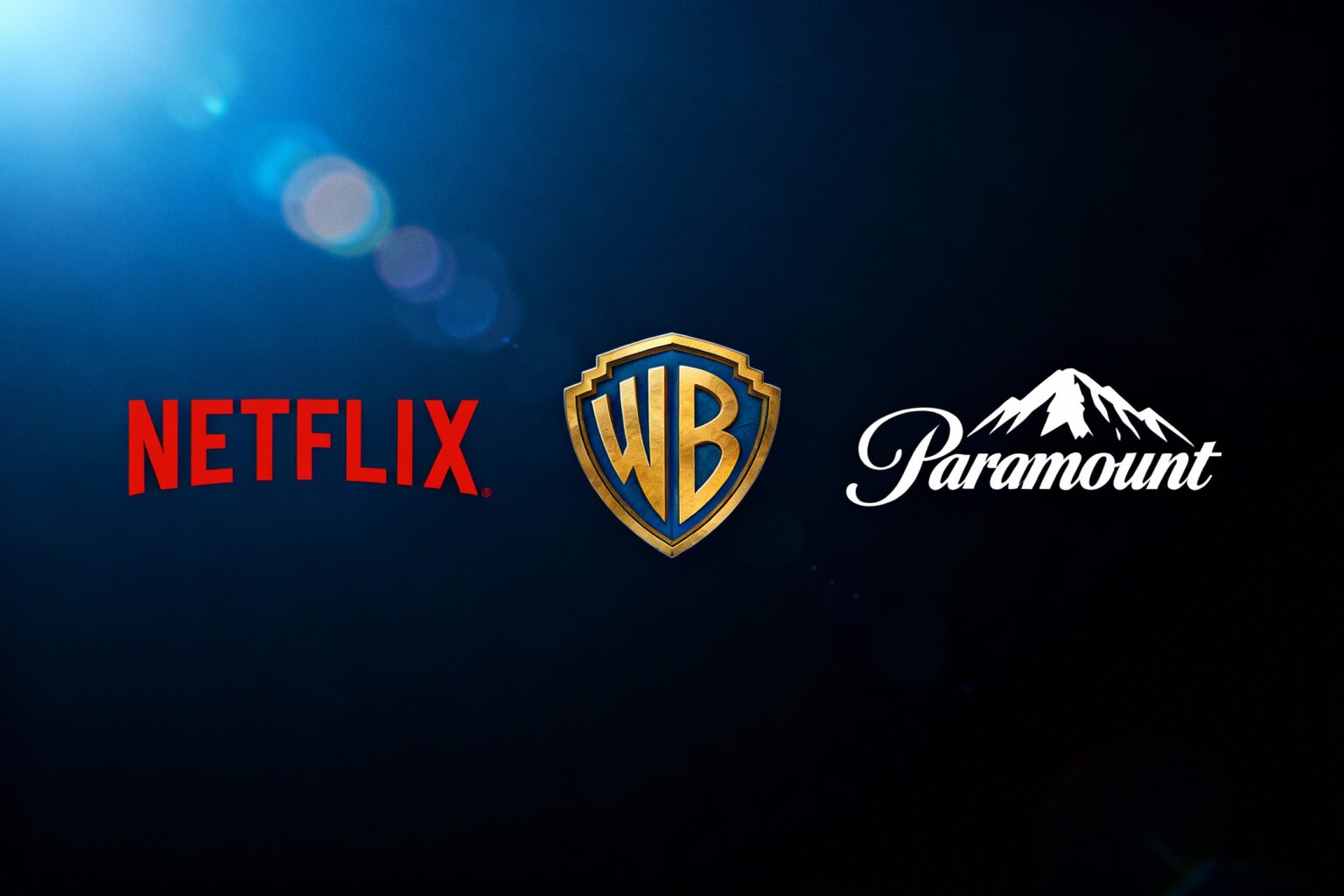
Paramount’s hostile push to acquire Warner Bros has turned an already complex media merger cycle into a genuine fight for Hollywood’s future. Investors now face a situation where competitive tension creates upside for Warner shareholders, yet also amplifies uncertainty around execution, regulatory outcomes and long term strategy.
A Hostile Move Into a Live Deal
Paramount’s offer arrives while Warner already has a signed agreement with Netflix. That means any competing move immediately triggers questions around break fees, board obligations and whether a formal auction now becomes inevitable.
In a hostile situation, Paramount is appealing directly to Warner shareholders. This bypasses board support and forces the target to either defend the existing Netflix deal, justify remaining independent or open the door to a structured competitive process if Paramount’s proposal proves superior on value and execution certainty.
This also underscores a modern reality in media M&A. Once a major studio is in play, no deal is safe. The Netflix agreement effectively sets a valuation floor. Paramount is gambling that it can outbid or out structure Netflix, or at least pressure Netflix into offering more.
Why Paramount Wants Warner
For Paramount, buying Warner Bros would be a transformational leap. It would blend Warner’s deep IP library with Paramount’s own franchises, forming a content portfolio that spans superheroes, fantasy, prestige drama and global family entertainment.
Unlike Netflix, Paramount brings a legacy footprint. It has broadcast networks, cable channels and an established studio division. The pitch is straightforward. Warner fits better inside a traditional studio ecosystem, where monetisation can happen across theatrical releases, linear TV, licensing and streaming. Paramount believes it can extract synergies in marketing, production and distribution that a tech style streamer may not prioritise. In essence, Paramount is arguing that the fastest way to scale is by combining two studio infrastructures rather than merging a studio with a global tech platform.
The New Tension With Netflix
Paramount’s move cuts directly across the Netflix Warner deal narrative. Netflix has framed its acquisition as the moment it evolves into a full studio plus platform owner that can scale franchises globally and unlock powerful subscriber economics.
The hostile bid now forces three questions.
- Will Warner shareholders push for a higher price than Netflix has offered.
- Does Netflix increase its bid, renegotiate or walk away if the transaction becomes more expensive and politically complex.
- Which regulatory path is more viable, a tech streamer buying a studio or one traditional studio absorbing another.
This uncertainty will quickly spill into the market. Warner may trade with a takeover premium plus optionality. Netflix and Paramount may face increased volatility as investors weigh funding, leverage and integration risk across competing scenarios.
Regulatory and Antitrust Overhang
Regulators were already preparing for a detailed review of the Netflix Warner acquisition. A Paramount Warner combination would raise a different set of concerns.
A studio on studio merger would concentrate bargaining power over talent, production houses and exhibitors. It also reduces the number of potential buyers for films and premium TV projects, which unions and creatives may argue weakens wages and narrows creative diversity.
However, regulators may find a studio merging with another studio less threatening to digital competition than a dominant global streamer absorbing a top tier content engine. This creates a unique trade off. Paramount may face a tougher integration task, but a slightly easier regulatory narrative. Netflix may be more operationally capable, but politically riskier. For investors, regulatory preference will drive the probabilities attached to each outcome.
Read More

Investor Implications and Possible Endgames
For Warner shareholders, a hostile proposal is usually positive in the short term, because it confirms competitive interest and often pulls valuation higher. The risk sits in prolonged litigation, regulatory pushback or drawn out negotiations that chip away at the takeover premium if confidence in completion drops.
Netflix and Paramount shareholders must weigh the trade offs. A bidding war raises the chance of overpaying and increases leverage pressure at a time when the advertising market and box office remain cyclical. Yet stepping aside from a rare studio asset could leave either acquirer structurally weaker for years.
The most likely endgames are:
- Netflix raises its offer and ultimately wins.
- Paramount forces a negotiated outcome, including partial asset splits or joint ventures.
- Both walk away if regulatory or financial pressures escalate, leaving Warner independent but clearly in play.
For readers looking at this as an investment case, the focus should not be only on price. The key variables are deal certainty, free cash flow potential after integration and whether the winning structure clarifies or complicates the strategic identity of one of the last major independent studios.
Disclaimer
The Investor Standard provides general information for education and research only. It is NOT personal advice, a recommendation, or an offer to buy/sell any security. This content has been prepared without taking into account your objectives, financial situation or needs. Past performance is not indicative of future results. Before acting on any information, consider its appropriateness and seek independent advice from a licensed financial adviser.