
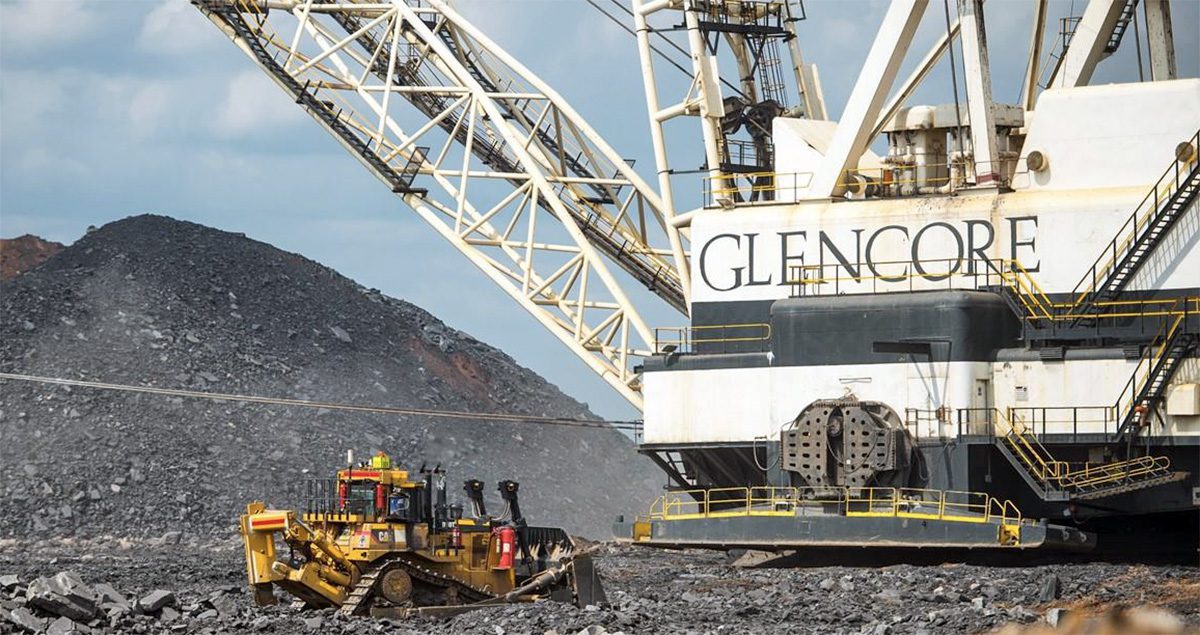
The discovery of a centuries-old ceramic vessel at Glencore’s El Pachon copper project in Argentina is a reminder that the biggest risks to mining projects are rarely found in feasibility spreadsheets.
The artefact itself, estimated to be between 600 and 1600 years old, may not derail development. Glencore has so far handled the discovery carefully, earning praise from archaeologists and avoiding the reputational damage that followed Rio Tinto’s destruction of Indigenous heritage at Juukan Gorge in 2020.
But for investors, El Pachon highlights a deeper issue: how much weight should be placed on long-dated copper growth promises at a time when copper scarcity is driving mega-merger logic?
Copper scarcity is real – delivery is the challenge
Global copper demand is expected to rise sharply as electrification accelerates. S&P Global forecasts demand growing from about 28 million tonnes last year to roughly 42 million tonnes by 2040. That backdrop explains why majors like Glencore, Rio Tinto, BHP and Fortescue are racing to secure supply.
Glencore has been particularly assertive. Chief executive Gary Nagle has outlined a two-step copper growth plan:
- lift production from around 840,000 tonnes in 2026 to 1 million tonnes by 2028
- almost double output to 1.6 million tonnes by 2035
The market broadly believes the first target. The second is where confidence drops sharply.
The Credible Part: Brownfield Growth to 2028
Analysts are largely aligned that Glencore can reach about 1 million tonnes by 2028. That growth relies mostly on brownfield expansions, restarts and upgrades at existing operations in Argentina, Peru, Chile and the Democratic Republic of the Congo.
Brownfield projects tend to be lower risk. Infrastructure is already in place, permitting is easier, capital intensity is lower and execution risk is better understood. Alumbrera in Argentina is a good example: for roughly US$230 million, Glencore can restart production and generate near-term copper, while also laying groundwork for the larger Agua Rica project nearby.
This explains why consensus forecasts Glencore producing close to 1 million tonnes by the end of the decade, and why analysts describe this phase of growth as realistic and investable.
The problem: greenfield optimism beyond 2030
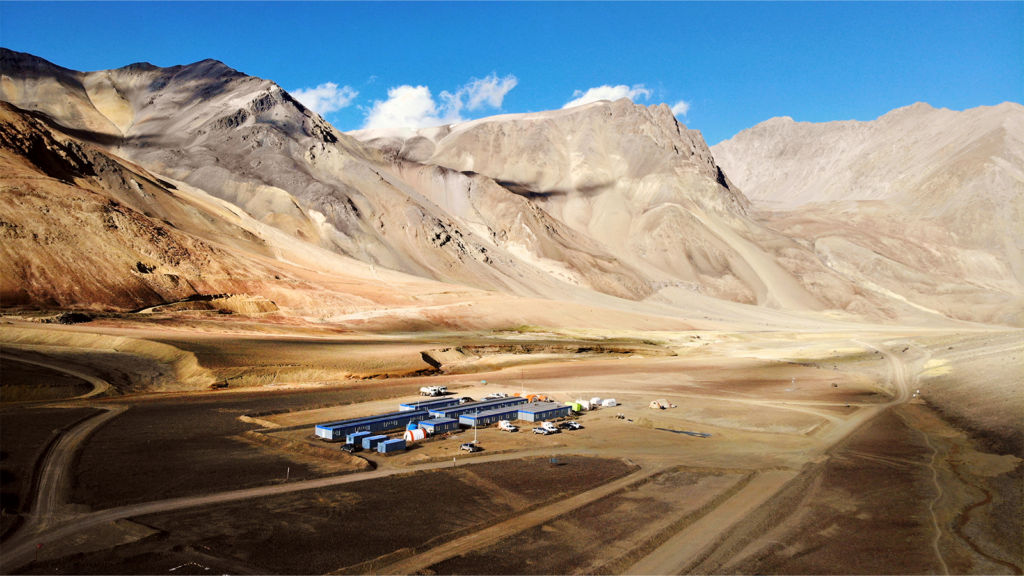
The real tension sits in Glencore’s longer-term ambition. Hitting 1.6 million tonnes by 2035 requires success at projects like El Pachon, a large, capital-intensive greenfield development with unresolved permitting, funding and execution risks.
Glencore suggests El Pachon could be producing by 2034 if approvals are secured by 2029. History suggests that is an aggressive assumption. Across the industry, greenfield copper projects routinely slip by years, not months.
There is also uncertainty around scale and cost. Glencore has yet to fully define El Pachon’s resource, and analysts already view its indicative US$9.4 billion capital cost as optimistic. Any scope changes or permitting delays would quickly erode returns and timelines.
This scepticism shows up clearly in forecasts. Bloomberg consensus expects Glencore to produce just over 1 million tonnes of copper in 2035, far below management’s stated goal.
A Familiar Pattern for Rio Investors
For Rio shareholders considering a merger with Glencore, the irony is uncomfortable. Rio itself has a long history of over-promising copper growth. Projects like La Granja in Peru and Resolution in the US were once pitched as cornerstone assets. Neither has been built, and neither is expected to produce before 2030.
Consensus forecasts now suggest Rio’s copper production could actually decline by 2035, leaving the company sub-scale relative to global peers.
That context matters. Investors should be wary of dismissing Glencore’s long-dated copper optionality without acknowledging Rio’s own thin pipeline.
Read More

What this means for investors
Copper scarcity is not the debate. The question is who can deliver bankable tonnes on time and on budget.
Glencore’s near-term growth looks credible and is supported by brownfield execution. Its long-term copper vision, however, relies heavily on greenfield success that the industry has consistently struggled to achieve.
For investors, the takeaway is discipline:
- treat brownfield copper growth as value-accretive
- heavily discount greenfield promises until permitting, capital structure and timelines are clearer
- judge any merger on near-term cash flow, returns and balance-sheet impact, not just long-dated copper narratives
Copper will define the next decade of resources investing. But history suggests that tonnes in presentations are far easier to promise than tonnes delivered into the market.