

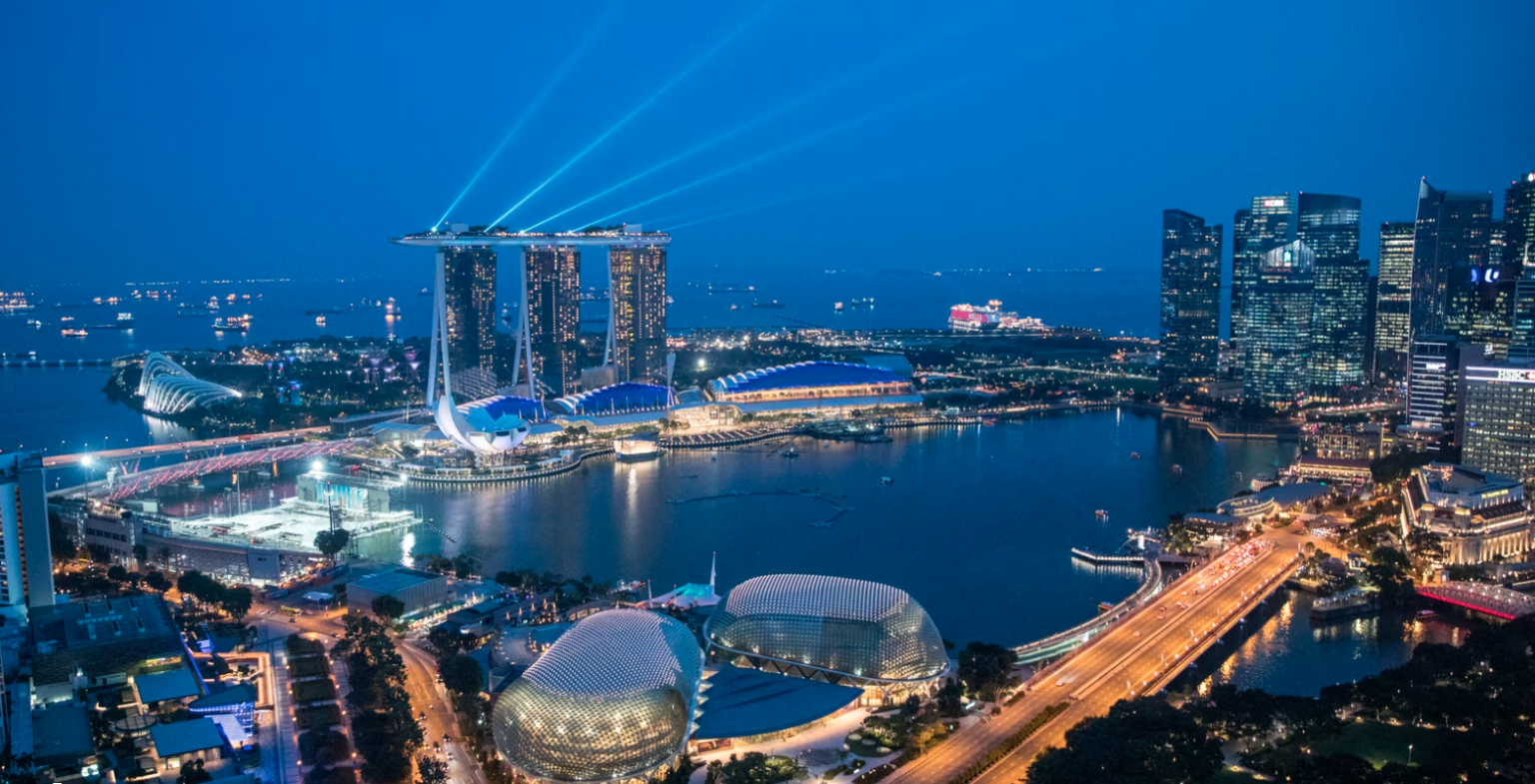
Singapore is smaller than New York City.
It has no major natural resources, limited land, and a population of just six million.
Yet today, it’s one of the wealthiest countries in the world with a GDP per capita higher than all Western countries except Ireland.
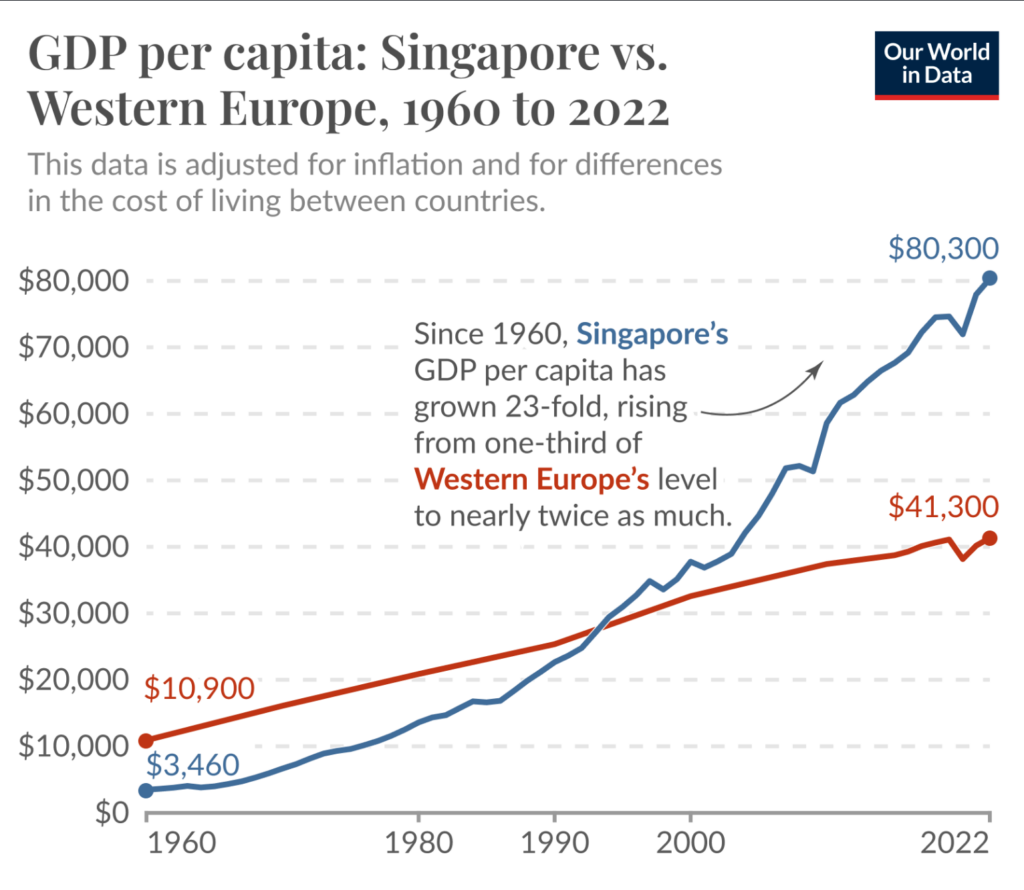
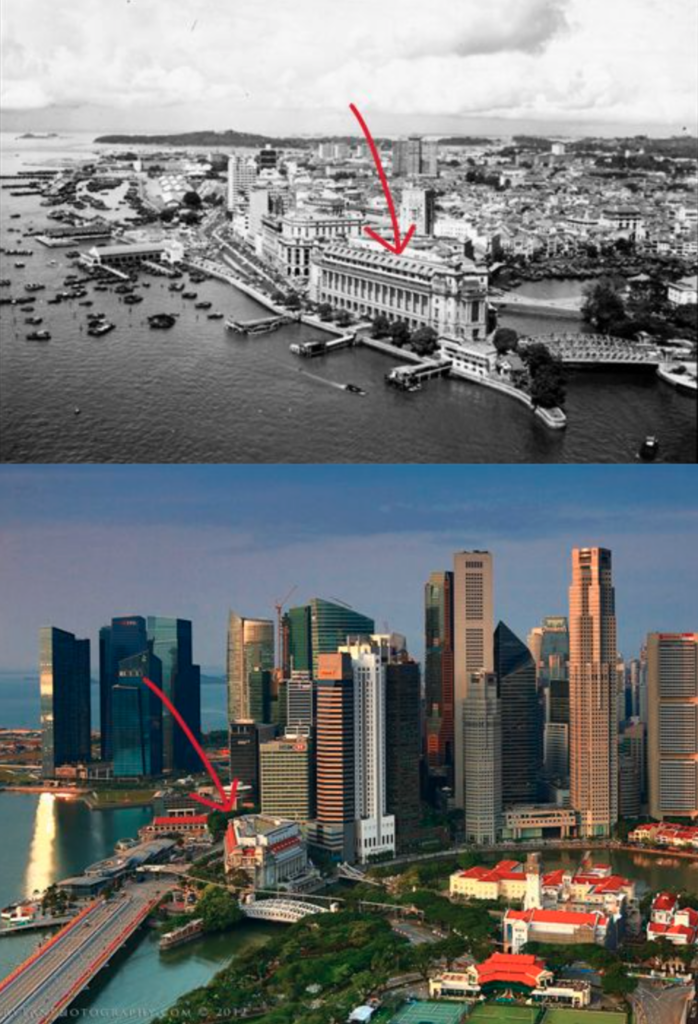
Over the past 60 years, Singapore transformed itself from a small colonial trading port into one of the world’s leading economies and financial and commercial hubs.
Its rise is often described as an economic miracle.
But Singapore’s wealth was not accidental.
It was the result of decades of long-term planning, strategic geography, trade openness, foreign capital attraction, and unusually effective governance.
Singapore Started From Nothing
When Singapore became separated from Malaysia and became independent in 1965, its future looked bleak.
The country lacked many of the advantages traditionally associated with economic success.
It had no oil, no major mineral resources, limited land, and a very small domestic market.
Unemployment was high and much of the population lived in poverty.
Singapore’s first Prime Minister, Lee Kuan Yew, recognised early that if the country wanted to survive economically, it could not rely on natural resources.
So he set to make Singapore useful to the Asian and broader global economy.
Geography Saved Singapore
Singapore possessed one major advantage: geography.
The country sits directly beside the Strait of Malacca, one of the busiest and most important shipping lanes on earth.
Trade between Europe, the Middle East, and Asia flows directly through the region.
This gave Singapore a natural opportunity to become a global shipping and logistics hub.
The government aggressively invested in port infrastructure, transportation, and industrial development to position Singapore at the centre of global trade.
Over time, Singapore developed one of the busiest and most efficient ports in the world.
Lee Kuan Yew & State Capacity
Geography alone would not be enough.
Many countries possess strategic locations without becoming rich.
What separated Singapore was governance.
Under Lee Kuan Yew and the People’s Action Party, a party that has governed since independence, Singapore developed a reputation for political stability, low corruption, efficient bureaucracy, and long-term economic planning.
The government invested heavily in infrastructure, public housing, education, healthcare, and public transport.
Strong legal institutions and contract enforcement also helped build investor confidence.
Singapore introduced strict anti-corruption laws, enforced harsh penalties, and paid civil servants among the highest salaries in the world in an effort to reduce incentives for bribery and political corruption.
Over time, this helped build trust in Singapore’s institutions, creating an environment that was highly attractive to both businesses and foreign investors.
The government also heavily expanded public housing through the Housing and Development Board (HDB), with 90% of Singaporeans now being homeowners.
This helped improve living standards, reduce social instability, and support long-term economic development.
Singapore effectively positioned itself as one of the safest and most stable places to do business in Asia.
From Manufacturing To Finance
Singapore’s economic strategy also evolved over time.
In its early years, the country focused heavily on labour-intensive manufacturing to reduce unemployment and industrialise rapidly.
But Singapore’s leadership understood that manufacturing alone would not be enough to sustain long-term prosperity.
As wages and living standards rose, Singapore gradually shifted toward higher-value industries including advanced manufacturing, technology, finance, and professional services.
During the 1980s, Singapore increasingly liberalised its financial sector and positioned itself as a regional financial hub.
Low company taxes, relatively business-friendly regulation, political stability, and strong legal protections attracted multinational corporations and global capital.
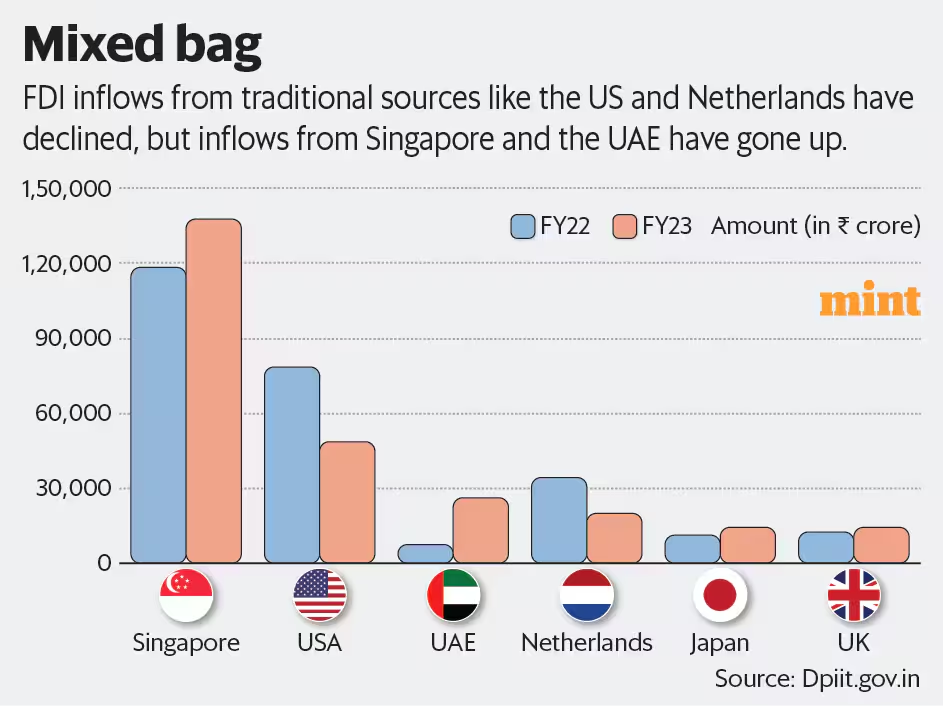
Today, over 4000 multinational companies operate regional headquarters in Singapore, while the country has become one of the world’s most important wealth management and financial centres.
Singapore also adopted a long-term approach to capital management through its sovereign wealth funds, most notably Temasek Holdings and GIC.
These funds invested globally across equities, infrastructure, real estate, and private markets, helping Singapore grow and manage national wealth over time.
The funds also reinforced Singapore’s reputation as a sophisticated global financial centre.
Attracting Global Wealth
Singapore also recognised that attracting capital was not just about taxes or regulation.
It needed to become a place people would want to live in.
The country invested heavily in urban development, housing, entertainment, tourism, and lifestyle infrastructure.
Marina Bay Sands, the Formula One night race, luxury retail districts, casinos, and large-scale land reclamation projects helped transform Singapore into a global city.
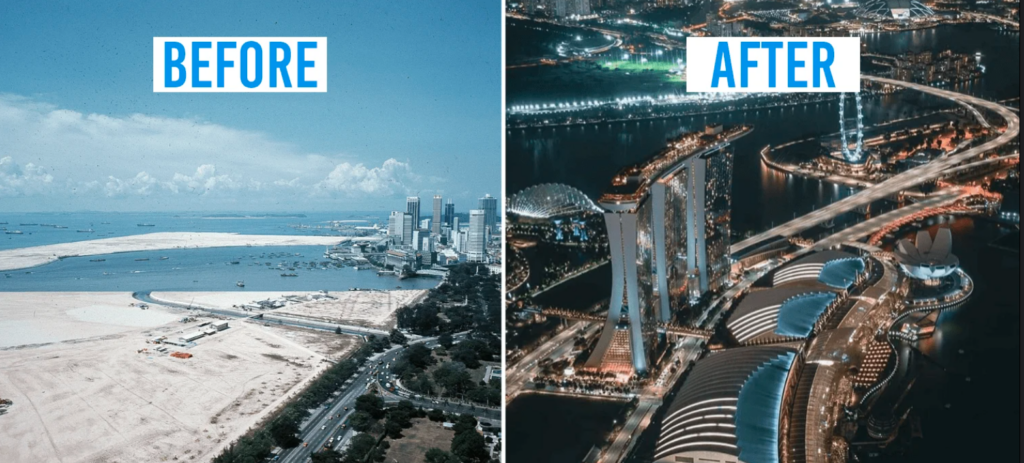
As Asian wealth rapidly expanded during the rise of China and other emerging economies, Singapore became an increasingly attractive destination for wealthy individuals and international capital.
This also made Singapore a global destination for tourists, enjoying nearly 20 million in a population of just 6 million.
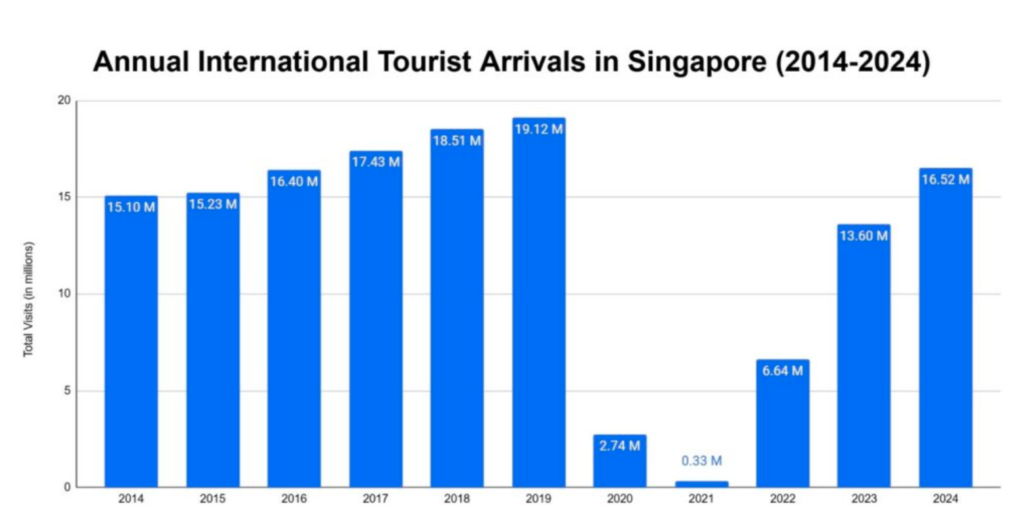
This helped fuel massive growth in assets under management and further strengthened Singapore’s position as a financial hub.
The Trade-Offs
Despite its economic success, Singapore’s model has also attracted criticism.
The country has long maintained relatively strict controls on political opposition, protests, and parts of the media.
Critics argue that civil liberties and political competition remain more limited than in many Western democracies.
Singapore also faces similar issues that most modern economies face. Rising housing costs, an aging population, inequality concerns, and growing public frustration over immigration and the cost of living.
In many ways, Singapore now faces the challenges that often accompany being a wealthy nation.
Why Singapore Is Difficult To Replicate
Singapore’s success has inspired policymakers around the world.
But replicating Singapore is far on paper than in reality.
The country benefits from a unique combination of strategic geography, small size, strong state capacity, political stability, and its position as a global trade hub.
Many countries can lower taxes or attempt to attract investment.
Far fewer can replicate Singapore’s institutional efficiency, infrastructure quality, and long-term policy consistency.
Singapore’s rise was not driven by a single policy.
It was the product of decades of coordinated economic development and strategic planning.