
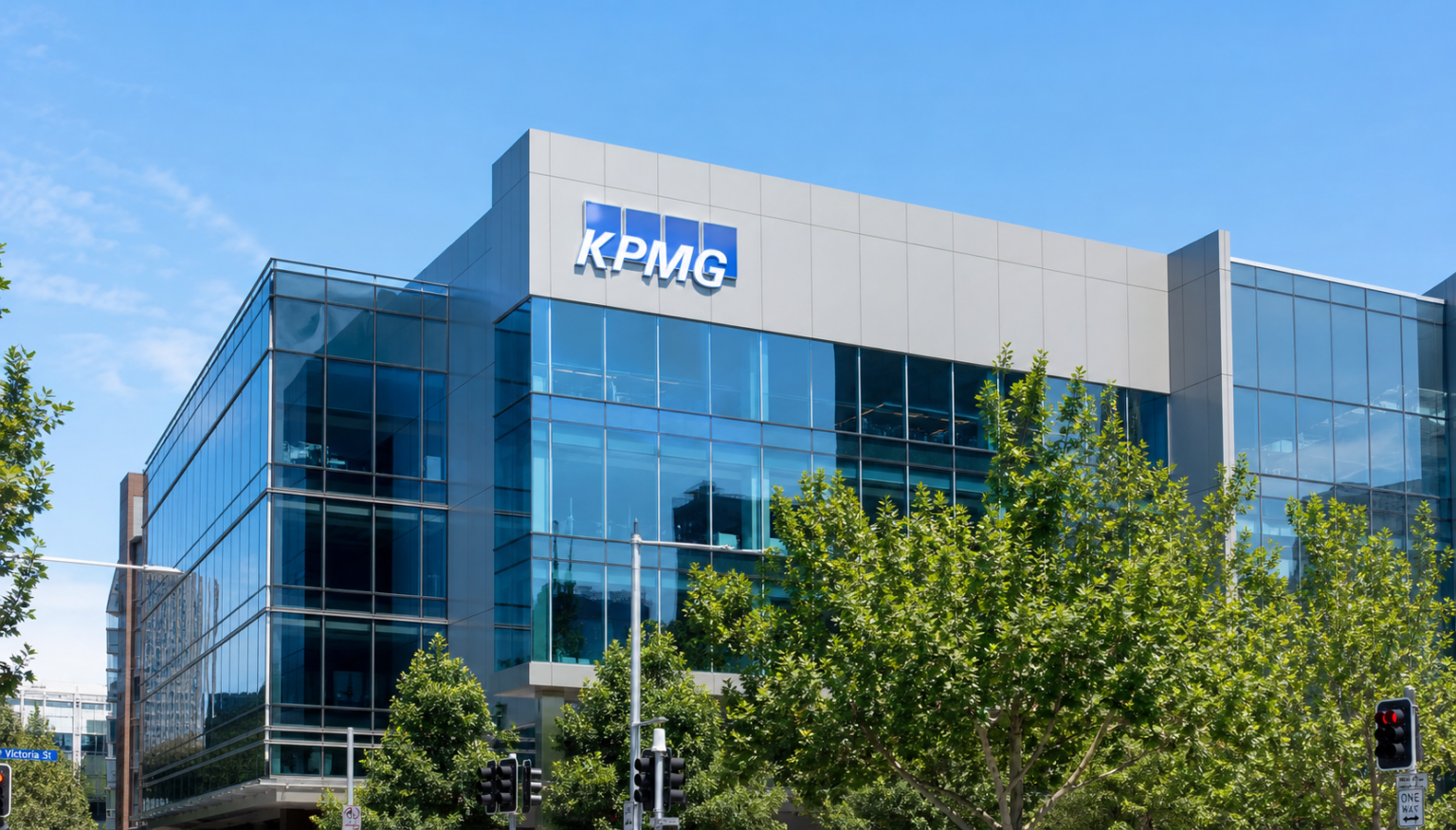
The resignation of KPMG’s chief executive following controversy surrounding whistleblower allegations is more than just another corporate leadership story. For investors, it is a reminder that some of the biggest risks in the market rarely show up in earnings reports until it is too late.
Most investors spend their time analysing revenue growth, margins, valuation multiples and economic data. Those things matter. Yet history repeatedly shows that governance failures can destroy value faster than almost any cyclical downturn.
That is why the latest developments at KPMG deserve attention. While the firm itself is not listed on a stock exchange, the situation highlights a broader lesson about Corporate Governance Risk Investors often overlook during strong markets. Problems linked to culture, oversight and accountability can sit beneath the surface for years before suddenly becoming impossible to ignore.
The KPMG Resignation Is About More Than One Executive
Reports surrounding KPMG’s leadership change suggest the departure followed scrutiny linked to whistleblower allegations and governance concerns within the organisation.
The details will continue to be debated. Investors should focus on something more important.
Large organisations rarely experience leadership upheaval because of a single event. More often, leadership changes occur when concerns that were previously contained begin attracting public attention, regulatory interest or stakeholder pressure.
The market has seen this pattern many times before. Issues emerge internally, management attempts to address them, scrutiny increases and eventually accountability reaches the highest levels of the organisation.
By the time a CEO resigns, investors are usually looking at the result rather than the cause.
That distinction matters because it shifts the focus away from personalities and towards systems. Strong governance structures are designed to identify problems early. Weak governance structures often allow issues to grow until they become public crises.
Why Corporate Governance Risk Investors Matters More Than Many Think
Governance is often treated as a secondary consideration compared to earnings growth or macroeconomic conditions.
That is a mistake. Companies can recover from weak quarters. They can recover from economic slowdowns. Recovering from a collapse in trust is often much harder.
When governance breaks down, the impact extends far beyond headlines. Regulators become more active, customers begin asking questions, employees lose confidence and management teams find themselves distracted by issues that have little to do with growth or execution.
Investors frequently underestimate how quickly this process can unfold.
One reason is that governance failures do not always appear immediately in financial results. The warning signs often emerge through executive departures, cultural concerns, regulatory investigations or whistleblower complaints long before they affect revenue or profit.
The market understands this. That is why companies facing governance controversies often see valuation pressure well before any measurable financial damage occurs.
The Growing Importance Of Whistleblower Protections
One of the more interesting aspects of the KPMG situation is what it says about whistleblower frameworks.
Ten years ago, many investors barely considered whistleblower policies when evaluating a company. Today, they have become an increasingly useful indicator of organisational health.
A company that encourages employees to raise concerns, investigates issues independently and protects individuals who speak up is often a company with stronger internal controls and a healthier culture.
The opposite is also true.
When whistleblower allegations become public controversies, it can suggest that existing governance mechanisms either failed to identify concerns early enough or failed to address them effectively once identified.
For investors, that makes whistleblower systems far more than a compliance exercise. They can provide valuable insight into how an organisation handles risk before problems become material.
The best governance frameworks are not those that prevent every issue from occurring. They are the ones that identify problems quickly and deal with them before they escalate.
Board Accountability Is Where The Market Looks Next
Whenever a major governance controversy emerges, attention eventually shifts towards the board.
That is already happening in discussions surrounding KPMG.
Boards exist to provide oversight, challenge management when required and ensure material risks are being managed appropriately. Investors often focus heavily on executive leadership, but board quality can be equally important during periods of stress.
The market generally asks the same questions.
- Did the board know about the issue?
- Did the board act quickly enough?
- Were governance processes followed appropriately?
- Could intervention have occurred earlier?
Those questions matter because governance failures are rarely viewed as isolated incidents. Investors tend to evaluate them as reflections of broader organisational oversight.
This is one reason why board composition remains such an important consideration for long-term investors. Independence, relevant experience and a demonstrated willingness to challenge management often become most valuable when a company faces difficult decisions.
Read More

What Listed Companies Should Take From This
Although KPMG is not publicly listed, the implications extend across the corporate sector.
Professional services firms sit at the centre of financial markets. They audit companies, advise boards and help maintain confidence in corporate reporting. When governance concerns emerge within one of these organisations, they naturally increase scrutiny across the broader ecosystem.
That could mean greater regulatory attention, stronger governance expectations and increased focus on accountability across both private and listed companies.
For investors, the lesson is straightforward. Governance should not be viewed as a box-ticking exercise buried in annual reports. It should be treated as a core part of investment analysis.
Companies with transparent leadership teams, effective boards and strong internal accountability structures often deserve a premium valuation because they carry less hidden risk.
That premium may not always seem obvious during strong markets. It becomes much more obvious when things go wrong.
The Bottom Line
The resignation of KPMG’s CEO is ultimately a reminder that governance failures remain one of the most underestimated risks in investing.
Markets spend enormous amounts of time discussing interest rates, economic growth and earnings forecasts. Yet some of the largest corporate value destructions in history began with governance issues that appeared insignificant at first.
That is why Corporate Governance Risk Investors should pay attention to deserves more attention than it often receives.
Strong governance rarely generates headlines. Weak governance almost always does.
For investors focused on long-term wealth creation, understanding the difference can be just as important as understanding the numbers.