

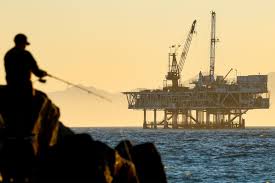
Global markets remained volatile overnight as escalating tensions in the Middle East following US bombings of Iran pushed oil prices sharply higher, raising inflation concerns and weighing on equities across regions.
Energy markets were the primary cause of the volatility. Crude prices surged as disruptions around the Strait of Hormuz, a route for roughly one-fifth of global oil supply, raised fears of supply constraints, sending Brent crude above $80 per barrel and reigniting concerns of inflation.
The surge in energy prices triggered a broad risk-off move across equities, while the US dollar strengthened and precious metals saw sharp reversals.
United States: Equities Fall as Oil Surge Raises Inflation Concerns
US equities dipped as investors reacted to rising geopolitical tensions and the implications of higher oil prices.
The Dow closed down 403.51 points (0.83%) at 48,501.27, while the S&P 500 fell 0.94% to 6,816.63. The Nasdaq Composite declined 1.02% to 22,516.69, with technology and growth stocks leading the losses.
Markets had initially sold off more sharply during the session as oil prices surged following the conflict in the Middle East and concerns about potential disruptions to shipping through the Strait of Hormuz. However, equities recovered part of those losses later in the session as investors began more thoroughly assessing the broader economic impact and expectations of a prolonged supply shock eased slightly.
Despite the decline, the move remained relatively contained compared with previous geopolitical shocks, suggesting investors are cautious but not yet positioning for a sustained risk-off shift across global markets.
Europe: Stocks Decline Sharply Amid Energy and Growth Risks
European equities saw some of the sharpest declines as markets reacted to rising energy prices and escalating geopolitical tensions.
The pan-European STOXX 600 fell around 3.5%, marking one of its largest single-day declines in months as investors moved away from risk assets. Major regional indices followed the move lower: Germany’s DAX dropped roughly 3.4%, France’s CAC 40 fell about 3.5%, and the UK’s FTSE 100 closed down around 2.75%.
The sell-off pushed several benchmarks to their lowest levels in more than a month, with financials and industrial stocks leading the declines as investors reassessed growth expectations and the inflation impact of surging oil prices.
Higher energy costs are particularly significant for Europe given the region’s reliance on imported energy. Rising oil prices risk feeding through into inflation expectations, complicating the outlook for the European Central Bank and Bank of England, and reducing the likelihood of near-term interest-rate cuts.
Sector-wise, banks, insurers and travel companies were among the biggest losers, while defence and some energy stocks saw relative support amid the geopolitical backdrop.
ASX & Asia: Markets Track GlobaL Sell-Off
Asian markets largely followed the global risk-off tone as investors reacted to rising oil prices and geopolitical tensions.
Japan’s Nikkei 225 fell around 3%, while South Korea’s KOSPI plunged as much as 6–7%, making it one of the worst-performing major indices in the region as technology and export stocks led the decline. China’s Shanghai Composite slipped roughly 1.3%, while Hong Kong’s Hang Seng traded about 1% lower as investors reassessed growth expectations and the inflation impact of higher energy prices.
The sharp move reflects Asia’s sensitivity to energy prices and global trade disruptions, with higher oil prices raising concerns about inflation and external balances across emerging markets in the region.
Australian equities also came under pressure. The S&P/ASX 200 dropped roughly 1.2–1.3%, with broad-based losses across most sectors as investors moved away from risk assets. Materials and energy stocks led the declines, with the materials sector falling around 3.6%, reflecting weakness in major mining names and concerns over global demand.
The sell-off pushed the index toward the 9,000 level, with the broader All Ordinaries also declining around 1.6%. The weakness highlights how quickly global macro shocks — particularly energy and geopolitical risks — can transmit across commodity-linked markets such as Australia.
Commodities: Oil Surges, Metals Mixed
Commodity markets were dominated by the sharp move in energy prices, as geopolitical tensions in the Middle East raised concerns over global supply disruptions.
Brent crude climbed to around $81.40 per barrel, while U.S. West Texas Intermediate rose to roughly $74.56, marking some of the highest levels since early 2025 after oil prices surged nearly 5% on the session. The move reflects growing fears that conflict in the region could disrupt flows through the Strait of Hormuz, a key transit route for global energy exports.
The rally in oil has renewed concerns that energy-driven inflation could complicate the outlook for central banks globally, particularly as markets had previously been positioning for interest-rate cuts later this year.
Precious metals showed a more mixed reaction. Gold initially rallied on safe-haven demand, but later struggled as the stronger U.S. dollar weighed on prices, with bullion trading near $5,100 per ounce during the session. A stronger dollar makes gold more expensive for international buyers and often caps rallies even during geopolitical stress.
FX: Flight to Safety
In currency markets, the U.S. dollar strengthened broadly, with the dollar index rising as investors moved toward safe-haven assets amid heightened uncertainty. The greenback gained against most major currencies, including the euro and yen, reflecting both its traditional haven status and the U.S.’s position as a net energy exporter during periods of oil price spikes.
Overall, cross-asset moves highlighted a classic risk-off pattern: higher oil prices, a stronger dollar and cautious positioning across commodities and financial markets as investors monitor developments in the Middle East.
What to Watch Next
- Energy prices remain the key variable. Sustained moves higher in crude could push inflation expectations up again, complicating the outlook for central banks that had been preparing to ease policy later this year.
- Central bank expectations will also be closely monitored. If higher oil prices feed through into inflation data, markets may begin pushing back expectations for rate cuts from the Federal Reserve, European Central Bank and other major central banks.
- Currency markets are another key signal. Continued strength in the U.S. dollar would indicate persistent risk-off sentiment and tighter global financial conditions.
- Finally, investors will be watching whether safe-haven demand accelerates, particularly in assets such as gold, U.S. Treasuries and the Swiss franc, which typically attract flows during periods of geopolitical uncertainty.
For now, markets remain highly sensitive to developments in the Middle East, with energy prices acting as the primary transmission channel across equities, currencies and commodities.